

Medicine packaging protects tablets and capsules by limiting exposure to moisture, light and oxygen. In pharmaceutical bottle packaging, the bottle wall and closure limit what enters. When the pack design calls for a desiccant, its job is to absorb water vapor inside the bottle.
Planning a bottling line for moisture-sensitive tablets or capsules? Use the bottle drawing and specified sachet format to assess the SED-1GS-A desiccant sachet inserter from SED Pharma. The sachet is inserted before bottle capping, so both steps need to work with the same bottle and closure design.
What medicine packaging protects against
The same exposure can affect different medicines differently. A sensitive tablet may take up water and soften or change how it breaks apart. Water can also participate in the chemical breakdown of some ingredients. Oxygen can drive a different type of chemical change called oxidation, and light can trigger degradation in light-sensitive ingredients. A medicine can undergo chemical change while still looking the same.
| Exposure | How it reaches the medicine | What the pack can do |
|---|---|---|
| Moisture | Water vapor can pass through some pack materials or enter through an opening. Water can change the texture of some medicines or contribute to chemical breakdown. | A barrier and closure limit exposure. A desiccant takes up some of the moisture inside. |
| Light | Light can reach the medicine through a clear or partly transparent pack. Sensitive ingredients can degrade after light exposure. | Opaque foil, light-filtering containers, or a protective outer carton reduce the amount of relevant light that reaches the medicine. |
| Oxygen | Oxygen may already be inside a sealed pack or can enter later. It can react with oxidation-sensitive ingredients. | Materials and closures that limit oxygen entry reduce further exposure. The air already inside is a separate consideration. |
How the barrier, closure and desiccant work together
The barrier limits what can pass through
A clear blister pocket can provide some resistance to water vapor and oxygen while still letting light through. Foil on the back shields that side from light, and the front can still transmit it. Some packs add an opaque layer or use a carton as part of the light protection. The role of the outer carton depends on the product and its pack design.
This is why the outside package matters in some cases. The ICH Q1B photostability guideline describes evaluating light-sensitive products as needed in their immediate pack and then in the pack as marketed.
The closure limits exposure at the opening
A blister pocket gets its protection from both the formed pocket and the backing sealed around it. In a bottle, the cap and any liner are part of the assembled closure. Some bottles also have a foil seal across the mouth before first opening. Once that seal is removed, the reclosed cap controls air exchange at the opening. A cap tightened as directed can reduce further exchange, while each opening exposes the contents to room air.
A desiccant takes up moisture inside the pack
A desiccant can be a small sachet, canister or part of the cap. It takes up water vapor inside the pack and has a limited capacity. A desiccant designed for moisture control has a separate job from the light barrier and the features that limit oxygen entry. Follow the package directions if they specify how to handle the insert.
Why each part has a separate job
A low-permeability bottle wall still needs a closure that mates with the bottle finish. Water vapor and oxygen can enter at that interface even when the wall offers a strong barrier. A well-fitted closure also leaves the wall's permeability unchanged. A desiccant handles moisture already in the pack or entering over time, up to its capacity. It cannot restore a compromised seal, screen out light, or remove oxygen.
When the pack needs all three protections
Consider moisture, light and oxygen together when stability data show that the same formulation is sensitive to all three under its intended storage conditions. For example, an opaque carton can shield the immediate pack from light, while the bottle and closure limit water vapor and oxygen entry. If the design includes a desiccant, it addresses moisture within that system. Assess the complete pack, including any carton used as a light barrier. The ICH Q1A(R2) stability guideline describes testing the drug product in the container closure system proposed for marketing.
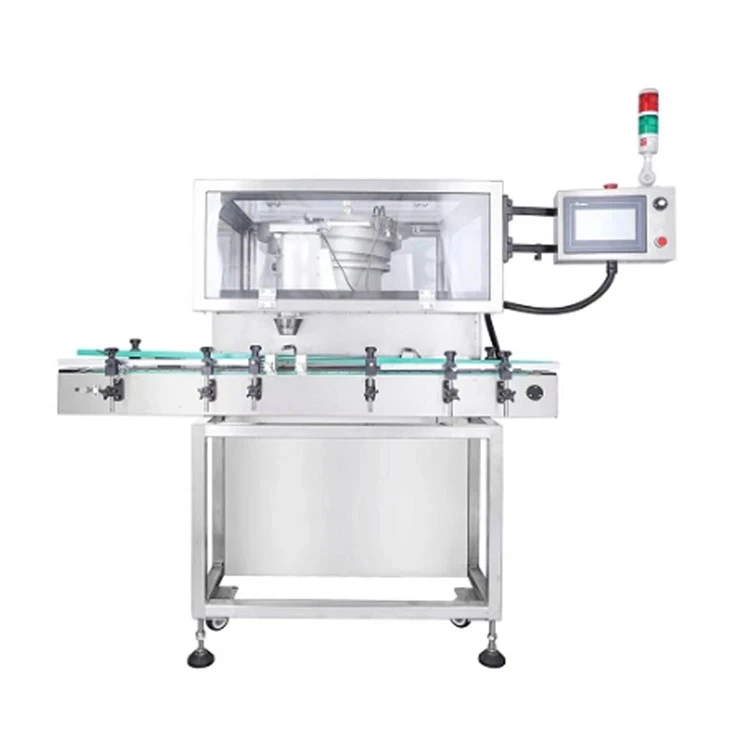
A SED-1GS-A places individual desiccant sachets into compatible bottles.
What changes after you open the pack?
Opening a bottle exposes its shared interior to room air. Opening a separately sealed blister pocket removes the protection for that pocket. Follow the product's storage directions, including any requirement to keep the original pack or reclose the bottle promptly. The U.S. label for Pradaxa capsules gives one example. Ask your pharmacist before transferring a medicine with special storage instructions.
See how to read medicine blister pack labels or how tablets move from powder to a packaged pill.
Medicine packaging protects the product through the combined effect of the barrier, closure and any protective insert or outer layer. For a bottle pack with a drying sachet, desiccant insertion and capping put two of those protections in place at different steps on the line.
What to share for a bottle line review
Provide the bottle shape and dimensions, neck finish and cap type, and whether the product is a tablet or capsule. Include the desiccant format and dimensions, plus the target output in bottles per minute. These inputs let the equipment team check bottle handling, sachet feeding and how the insertion and capping stations meet the same line rate.
Planning how a moisture-protective bottle pack will run on the line?Send the pack details above and identify which step you want to assess. Ask SED Pharma for a packaging equipment discussion.