

What is the material compatibility of a lyophilizer?
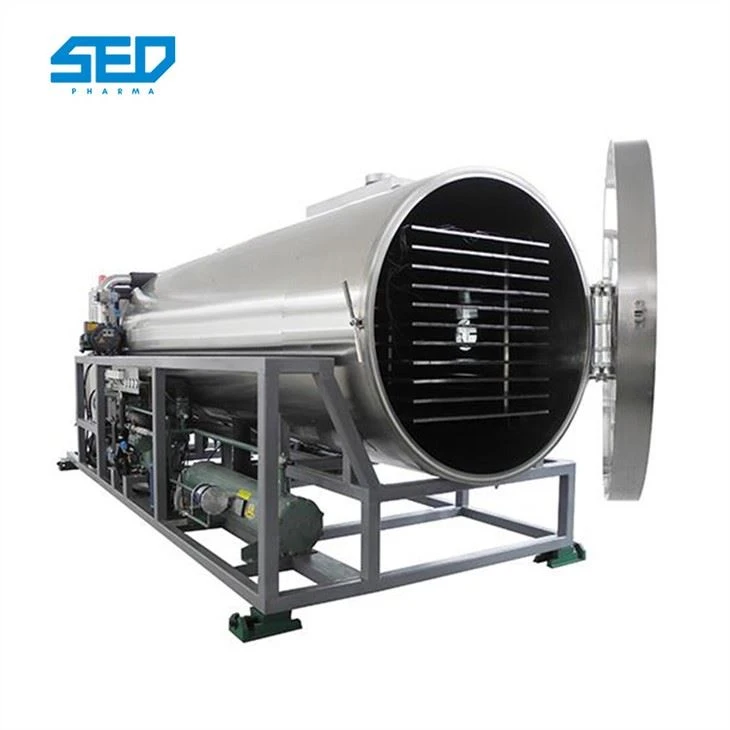
As a seasoned supplier of lyophilizers, I've witnessed firsthand the critical role that material compatibility plays in the successful operation of these sophisticated machines. Lyophilization, also known as freeze - drying, is a process that involves freezing a product and then removing the ice by sublimation under vacuum conditions. This technique is widely used in various industries, including pharmaceuticals, biotechnology, food, and cosmetics.
Understanding Material Compatibility in Lyophilizers
Material compatibility refers to the ability of different materials within a lyophilizer to interact with each other and with the substances being processed without causing adverse effects. These adverse effects can range from chemical reactions that contaminate the product to physical damage to the equipment itself.
Compatibility with the Product
The first and most crucial aspect of material compatibility is the interaction between the lyophilizer's components and the product being freeze - dried. For example, in the pharmaceutical industry, the product may be a sensitive drug formulation. The materials in contact with the drug, such as the shelves, trays, and vials, must be chemically inert. Glass vials are commonly used because they are highly resistant to chemical reactions and can maintain the integrity of the drug during the freeze - drying process.
In the food industry, the situation is similar. When using a Commercial Food Freeze Dryer, the materials that come into contact with the food should not impart any off - flavors, odors, or contaminants. Stainless steel is a popular choice for food - grade lyophilizers due to its corrosion resistance, ease of cleaning, and non - reactivity with most food products.
Compatibility within the Lyophilizer System
Apart from the product - contact materials, the internal components of the lyophilizer also need to be compatible with each other. The refrigeration system, for instance, contains refrigerants and lubricants. The materials used in the compressor, condenser, and evaporator must be able to withstand the chemical and physical properties of these substances. For example, copper is often used in the heat exchangers of refrigeration systems because it has good thermal conductivity and is compatible with many common refrigerants.
The vacuum system is another critical part of the lyophilizer. The vacuum pump and the associated piping must be made of materials that can withstand the low - pressure environment and any potential chemical by - products that may be generated during the freeze - drying process. Some vacuum pumps use special coatings on their internal surfaces to prevent corrosion and ensure long - term performance.
Factors Affecting Material Compatibility
Several factors can influence the material compatibility in a lyophilizer.

Chemical Composition
The chemical nature of the product being freeze - dried is a major factor. Acidic or alkaline products can react with certain metals, leading to corrosion. For example, if a lyophilizer is used to process a highly acidic fruit juice in a Fruit Vacuum Freeze Drying Machine, using a metal that is not resistant to acids can result in the leaching of metal ions into the product, which is unacceptable for food safety reasons.
Temperature and Pressure
The extreme temperature and pressure conditions during lyophilization can also affect material compatibility. During the freezing stage, the temperature can drop to as low as - 50°C or even lower. Some materials may become brittle at such low temperatures, which can lead to cracking or failure. Similarly, the low - pressure environment in the vacuum chamber can cause materials to outgas, releasing volatile compounds that may contaminate the product.
Cleaning and Sterilization
The cleaning and sterilization procedures used for the lyophilizer can also impact material compatibility. Harsh cleaning agents or high - temperature sterilization methods may damage certain materials. For example, some plastics may degrade when exposed to strong oxidizing agents or high - temperature steam sterilization.
Choosing the Right Materials for Lyophilizers
When selecting materials for a lyophilizer, it is essential to consider the specific requirements of the application.
Pharmaceutical and Biotechnology Applications
In the pharmaceutical and biotechnology sectors, the highest level of purity and sterility is required. Glass and high - grade stainless steel are the preferred materials for product - contact components. For example, 316L stainless steel is often used because it has excellent corrosion resistance and can be easily polished to a smooth surface, which is important for preventing the accumulation of contaminants.
The gaskets and seals in pharmaceutical lyophilizers are typically made of materials such as silicone or fluoropolymers. These materials are resistant to chemical attack, can withstand high temperatures during sterilization, and have good sealing properties to maintain the vacuum in the chamber.
Food Industry Applications
In the food industry, the focus is on food safety and maintaining the quality of the product. As mentioned earlier, stainless steel is a common choice for food - grade lyophilizers. Additionally, food - grade plastics may be used for some non - critical components, provided they meet the relevant safety standards.
For example, when using a lyophilizer for Freeze Drying In Food Industry, the trays and baskets can be made of food - grade polypropylene, which is lightweight, durable, and easy to clean.
Testing and Validation of Material Compatibility
Before a lyophilizer is put into production, it is crucial to test and validate the material compatibility. This can involve conducting chemical analysis of the materials in contact with the product to ensure there is no leaching of harmful substances. Accelerated aging tests can also be performed to simulate long - term use under extreme conditions.
In the pharmaceutical industry, strict regulatory requirements govern the testing and validation of material compatibility. Manufacturers must provide detailed documentation on the materials used in their lyophilizers and demonstrate that they meet the relevant quality and safety standards.
Conclusion
Material compatibility is a fundamental aspect of lyophilizer design and operation. Choosing the right materials ensures the quality and safety of the products being freeze - dried, as well as the long - term reliability and performance of the equipment. Whether you are in the pharmaceutical, biotechnology, food, or cosmetics industry, understanding the material compatibility of your lyophilizer is essential for achieving optimal results.
If you are considering purchasing a lyophilizer for your business, we are here to help. Our team of experts can provide you with detailed information on material compatibility and help you select the right equipment for your specific needs. Contact us today to start the procurement and negotiation process, and let us work together to find the perfect lyophilization solution for your application.
References
- Wang, W., & Pikal, M. J. (2004). Design and optimization of freeze - drying processes: Practical advice. Journal of Pharmaceutical Sciences, 93(6), 1033 - 1050.
- Tang, X., & Pikal, M. J. (2004). Design and optimization of freeze - drying processes: General strategy. Pharmaceutical Research, 21(2), 191 - 200.
- Broadhead, J., Rouan, G., & Rhodes, C. T. (1992). The lyophilization of pharmaceuticals: An overview. Journal of Pharmaceutical Sciences, 81(12), 1109 - 1123.