


A pharmaceutical machinery FAT checklist should verify that the agreed machine configuration performs specified functions under defined samples, utilities, and operating conditions before shipment.
However, many FAT delays are caused not by mechanical problems, but by incomplete preparation. Missing product samples, unclear acceptance criteria, undefined testing conditions, and incomplete documentation can make results difficult to evaluate.
FAT can expose issues before shipment, but it does not prove GMP compliance or replace SAT, qualification, process validation, approved SOPs, or quality oversight.
What Should FAT Prove Before Shipment?
The central question is whether the as-built machine matches the approved scope and produces acceptable packs under agreed conditions. Evidence should also show that controls, safety functions, alarms, rejects, and line interfaces respond as expected.
In regulated pharmaceutical projects, FAT evidence may support later qualification activities when justified by the validation strategy and risk assessment. Companies should evaluate applicable regulations and site procedures before relying on FAT records.
FAT or SAT?
| Item | FAT | SAT |
|---|---|---|
| Location | Supplier facility | Customer site |
| Purpose | Verify machine functions before shipment | Confirm installation and site conditions |
| Timing | Before delivery | After installation |
What Needs to Be Agreed Before FAT?
Uncertainty at the test date usually creates delay. The approved protocol is clearer when it identifies the machine and software versions, participants, prerequisites, instruments, recording rules, deviation authority, signatures, and current specifications.
- Products and components: approved specifications and lots for products, containers, closures, printed materials, coding supplies, or justified substitutes.
- Format range: nominal and justified worst-case sizes, with the required change parts.
- Operating conditions: speed, duration, feed condition, utilities, line balance, planned stops, and downtime rules.
- Acceptance basis: requirement, method, sampling, calculation, limit, raw-data record, and approver.

Controlled FAT documents help align the test scope, responsibilities, evidence, and shipment decision.
What Should a Pharmaceutical Machinery FAT Checklist Cover?
The most useful test areas depend on the machine and its risks. The matrix below shows where objective evidence is normally stronger than a simple visual "pass."
A complete FAT checklist should cover mechanical verification, safety functions, control systems, packaging performance, and documentation review.
| Test area | What to verify | Required evidence |
|---|---|---|
| Identity and build | Model, serial numbers, materials, finishes, components, utilities, guards, labels, and as-built drawings match the approved scope. | Inspection record, certificates, photographs, drawing references, and punch-list items. |
| Safety and interlocks | Emergency stops, guards, access switches, overloads, safe restart, energy isolation, and relevant fault states. | Challenge steps, expected and actual response, alarm record, and risk-control traceability. |
| Controls and data | User roles, recipes, set-point limits, audit functions if specified, backup and restore, power-loss recovery, time settings, and interfaces. | Screenshots, exported records, version list, access test, and recovery result. |
| Packaging functions | Feeding, forming or filling, sealing, closing, coding, labeling, leaflet insertion, inspection, rejection, and reconciliation as applicable. | Sample results, defect challenge set, count reconciliation, photographs, and raw measurements. |
| Performance | Sustained good output and pack quality at agreed conditions, including defined stops, rejects, scrap, and operator interventions. | Start/stop times, total input, good output, rejects, downtime log, calculations, and approved result. |
| Changeover and cleaning | Format-part identification, removal and installation, line clearance, access, cleaning sequence, inspection, and restart. | Executed changeover record, tool list, elapsed time if contracted, and unresolved access risks. |
| Documents and training | Manuals, drawings, certificates, software records, spare/change-parts lists, maintenance instructions, and training scope. | Document index with revision, status, language, owner, due date, and receipt confirmation. |
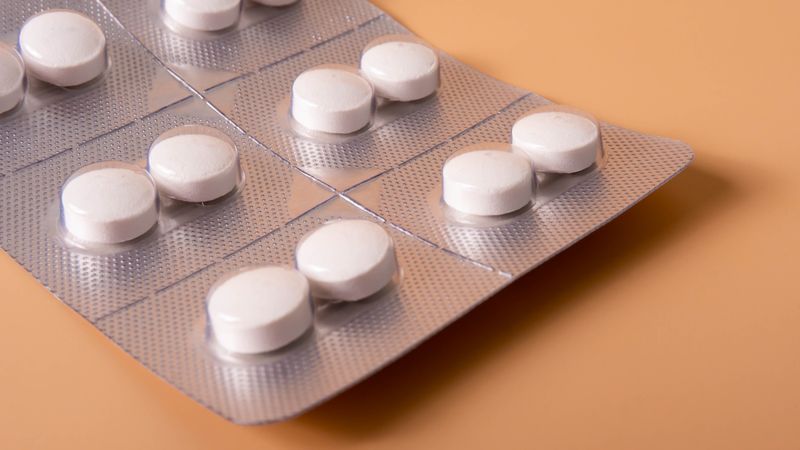
Representative packaging samples help define relevant FAT tests and acceptance criteria.
For pharmaceutical machinery suppliers and buyers, FAT preparation is a critical step in reducing project risks before shipment. SED Pharma works with customers to define testing conditions, packaging samples, and acceptance criteria for equipment configurations.
How Should Samples and Acceptance Criteria Be Chosen?
Representative samples may include format extremes, difficult-to-feed products, reflective components, low-contrast print, tight seal windows, or materials near dimensional limits. A substitute is useful only when its relevant behavior is justified and differences are recorded for later testing.
No universal sample count proves every function. The rationale depends on risk, expected variation, method, objective, and required confidence. The required sample size depends on the test objective. A safety challenge test may require only specific fault conditions, while a performance test usually requires repeated observations under stable operating conditions.
For a blister packaging machine, criteria may address pocket formation, product presence, seal appearance or integrity, registration, coding, cutting, and reject response. Temperature, pressure, dwell time, and speed limits depend on tooling and packaging materials and must be confirmed under approved conditions. For a cartoning machine, focus may include carton and leaflet handling, code verification, product-to-carton reconciliation, rejection, and upstream/downstream handshakes.
Which Tests Matter Most During FAT?
1. Is the machine ready to test?
Readiness is visible in approved documents, identified software and change parts, stable utilities, calibrated instruments, suitable samples, and trained participants. Gaps here can make later results difficult to interpret.
2. Do normal and abnormal conditions behave as expected?
Normal operation shows how modes, recipes, sensors, counters, alarms, stops, and restarts work together. Approved fault challenges then reveal whether missing components, blocked flow, inspection defects, guard opening, or utility loss create the specified response.
3. Can performance be explained, not just displayed?
A persuasive run links agreed samples, format, speed, duration, and line configuration to input, good packs, rejects, interventions, and downtime. That context matters more than a brief peak-speed display.

SED Pharma blister packaging machines can be evaluated through FAT procedures covering forming, sealing, inspection, coding, and rejection functions.
What Happens When a FAT Result Fails?
A failure is useful evidence when it remains visible. A justified retest follows investigation, risk assessment, correction, and authorization, with enough scope to confirm the fix and reveal effects on related functions.
| Observed symptom | Possible causes to evaluate | Confirmation test | Controlled action |
|---|---|---|---|
| Output is below the criterion | Feed interruption, downstream blocking, excessive reject events, incorrect format setup, or an unrealistic test basis. | Reconcile event log, downtime, input, good output, rejects, and actual speed against the approved method. | Correct the verified cause; approve a targeted repeat with unchanged criteria, or process a justified change through formal control. |
| Good pack is rejected | Sensor position, threshold, timing, component variation, lighting, or reject tracking. | Repeat the approved challenge set across positions and speeds while correlating images or signals to physical rejects. | Document parameter changes and assess whether the full challenge set and linked recipes require regression testing. |
| Alarm or interlock does not respond | Logic, wiring, sensor state, alarm delay, recipe setting, or an undocumented bypass. | Trace the input, control logic, output, HMI message, stop category, and recovery sequence. | Remove unauthorized bypasses, correct the verified fault, update records, and retest affected safety or process functions. |
What Must Be Closed Before the Machine Ships?
The final report compares each test with its criterion and points to raw data. The signature page identifies the equipment, revisions, dates, representatives, roles, and decision: accepted, conditionally accepted with documented risk, or not accepted.
Open items need an impact rating, owner, due date, closure evidence, and approval route. Handover normally includes as-built drawings, manuals, certificates, software records, spare and change-parts lists, FAT data, deviations, training records, and items reserved for SAT or qualification.
How Can SED Pharma Strengthen FAT Preparation?
For a blister packer, cartoner, counting line, or another pharmaceutical machinery configuration, SED Pharma can review packaging formats, component behavior, operating range, line interfaces, inspection challenges, document status, and draft criteria before the test date.
SED Pharma can then help prepare representative trials, machine-specific test records, witnessed demonstrations, and issue-closure evidence. This gives the buyer a clearer basis for the shipment decision while leaving quality approval and qualification strategy with the user.
Conclusion
A pharmaceutical machinery FAT checklist is defensible when it traces approved requirements to controlled tests and complete evidence. Representative samples, justified sample sizes, operating conditions, acceptance criteria, transparent deviations, signatures, and handover records create a clearer shipment decision and a stronger starting point for SAT and qualification. The final approach remains subject to the user's approved procedures and risk assessment.
Plan Your Packaging Machine FAT Before Shipment
Send your machine scope, packaging formats, sample details, target speed, line interfaces, draft criteria, and document requirements. SED Pharma will use them to prepare a focused pre-FAT review and discuss the test plan with your team.
Discuss Your FAT RequirementsFrequently Asked Questions
What is a factory acceptance test (FAT)?
A FAT is a pre-shipment test performed at the supplier's facility. It checks whether the agreed machine configuration, functions, controls, safety features, and documentation meet approved project requirements.
What should be included in a pharmaceutical machinery FAT checklist?
A FAT normally covers machine identity, construction, safety, controls, packaging functions, alarms, fault challenges, performance, representative samples, acceptance criteria, deviations, signatures, and handover documents.
What is the difference between FAT and SAT?
FAT tests the equipment at the supplier before shipment. SAT confirms installation, utilities, interfaces, and functions that may have been affected by transport or site conditions.
How many samples are needed for FAT?
There is no universal sample number. Sample size should reflect the test objective, failure risk, expected variation, operating range, measurement method, and confidence required.
What happens if pharmaceutical equipment fails FAT?
The failure should be recorded, investigated, and assessed for risk. Retesting is appropriate after a verified correction or justified change, with the repeat scope and approval documented.