

When it comes to drying clothes, the traditional methods of air - drying and using a conventional tumble dryer are well - known. However, the concept of freeze - drying clothes has emerged as a novel alternative. As a supplier of Dryer Freeze products, I am often asked the question: Can a dryer freeze dry clothes evenly? In this blog, we will delve into the science behind freeze - drying, explore the factors that affect even drying, and assess whether a dryer can indeed freeze dry clothes uniformly.

The Science of Freeze - Drying
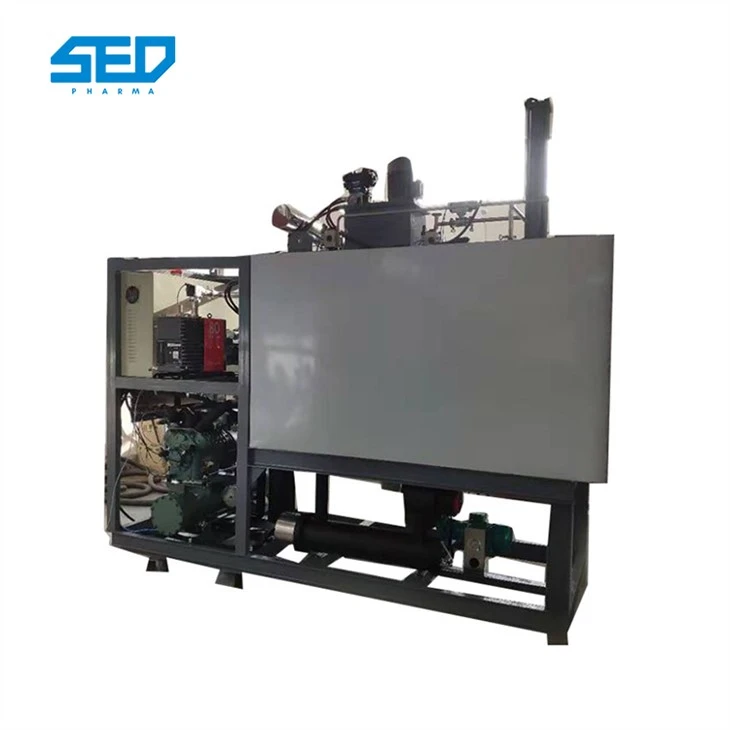
Freeze - drying, also known as lyophilization, is a process that involves freezing the material and then reducing the surrounding pressure to allow the frozen water to sublimate directly from the solid phase to the gaseous phase. This method is widely used in various industries, including food preservation, pharmaceutical manufacturing, and scientific research. For instance, Lab Vacuum Freeze Dryer is commonly used in laboratories for sample preservation, and Industrial Freeze Dryer is employed in large - scale production processes.
In the context of clothes, the process begins by freezing the wet clothes. This step is crucial as it immobilizes the water molecules within the fabric. Once frozen, the dryer creates a low - pressure environment. Under these conditions, the ice in the clothes skips the liquid phase and turns directly into vapor, effectively removing the moisture from the fabric.
Factors Affecting Even Freeze - Drying of Clothes
1. Fabric Type
Different fabrics have distinct physical properties that can influence the freeze - drying process. Natural fibers like cotton and wool have different moisture absorption and release characteristics compared to synthetic fibers such as polyester and nylon. Cotton, for example, is highly absorbent and can hold a significant amount of water. During freeze - drying, the ice formed in cotton fibers may be more difficult to sublimate evenly due to the fabric's dense structure. On the other hand, synthetic fibers tend to have a more uniform molecular structure, which may allow for more consistent ice formation and sublimation.
2. Thickness and Density of the Fabric
Thick and dense fabrics pose a greater challenge for even freeze - drying. The inner layers of thick clothes may take longer to freeze compared to the outer layers. This difference in freezing time can lead to uneven ice distribution. During sublimation, the outer layers may dry faster, while the inner layers still contain ice. As a result, achieving uniform drying throughout the fabric becomes more difficult.
3. Loading Capacity
The amount of clothes loaded into the dryer also plays a crucial role. Overloading the dryer can prevent proper air circulation and heat transfer. When clothes are packed too tightly, the low - pressure environment may not reach all parts of the fabric evenly. This can cause some areas to dry faster than others, resulting in uneven drying. It is important to follow the manufacturer's guidelines regarding the maximum loading capacity to ensure optimal performance.
4. Airflow and Temperature Distribution
Proper airflow is essential for even freeze - drying. The dryer needs to circulate cold air evenly around the clothes to ensure consistent freezing. During sublimation, the removal of the water vapor also depends on the airflow. If the airflow is blocked or uneven, some areas of the clothes may experience slower sublimation rates. Additionally, temperature distribution within the dryer should be uniform. Any hot or cold spots can affect the freezing and sublimation processes, leading to uneven drying.
Can a Dryer Freeze Dry Clothes Evenly?
The answer to whether a dryer can freeze dry clothes evenly is a qualified yes. With the right technology and design, modern freeze - dryers can achieve a high degree of even drying.
Advanced Design Features
Many of our Dryer Freeze products are equipped with advanced features to address the challenges mentioned above. For example, they are designed with precise temperature and pressure control systems. These systems can ensure that the freezing and sublimation processes occur at the optimal conditions throughout the dryer. Additionally, our dryers have improved airflow designs, such as multiple air inlets and outlets, to promote uniform air circulation around the clothes.
Testing and Optimization
We conduct extensive testing on our products to ensure even drying performance. We use different types of fabrics and loading configurations to simulate real - world scenarios. Through continuous optimization, we have been able to fine - tune the drying process to minimize uneven drying. Our dryers are also equipped with sensors that monitor the moisture content of the clothes in real - time. This allows the dryer to adjust the drying parameters as needed to ensure that all clothes are dried evenly.
Benefits of Freeze - Drying Clothes
Even if achieving perfect evenness is challenging, freeze - drying offers several benefits over traditional drying methods.
Gentle on Fabrics
Freeze - drying is a gentle process that does not subject the clothes to high heat. High heat in conventional dryers can damage the fibers of the fabric, causing shrinkage, fading, and loss of elasticity. In contrast, freeze - drying preserves the integrity of the fabric, making it suitable for delicate and high - quality clothes.
Energy - Efficient
Compared to traditional tumble dryers, freeze - dryers can be more energy - efficient. The sublimation process requires less energy than heating water to the boiling point. Additionally, the ability to recover and reuse the water vapor in some models further enhances the energy efficiency of the process.
Odor and Bacteria Reduction
The low - temperature environment of freeze - drying can help reduce odors and bacteria in the clothes. Bacteria and fungi thrive in warm and moist conditions, which are common in traditional drying methods. Freeze - drying eliminates the moisture quickly, creating an environment that is less favorable for microbial growth.
Conclusion
While there are challenges in achieving perfectly even freeze - drying of clothes due to factors such as fabric type, thickness, loading capacity, and airflow, modern dryers with advanced technology can come close to achieving uniform drying. As a supplier of Dryer Freeze products, we are committed to continuously improving our technology to provide the best possible drying experience.
If you are interested in exploring the benefits of freeze - drying for your clothes or have any questions about our Food Vacuum Freeze Dryer or other products, we encourage you to reach out to us for a procurement discussion. We look forward to helping you find the right solution for your drying needs.
References
- "Principles of Freeze - Drying" by John W. King.
- "Textile Science and Technology" by J. E. Spivak.
- Product manuals and technical specifications of our Dryer Freeze products.