

In the realm of laundry care, the age - old question of whether a dryer machine can dry clothes faster than air - drying has been a topic of debate for many. As a dedicated dryer machine supplier, I've witnessed firsthand the evolution of drying technology and its impact on the efficiency of the drying process. In this blog, I'll delve into the scientific and practical aspects of both methods to provide a comprehensive answer.
The Science Behind Drying
To understand the speed difference between dryer machines and air - drying, we first need to grasp the basic principles of drying. Drying is essentially the process of removing moisture from clothes. This occurs when water molecules gain enough energy to transition from the liquid phase to the gaseous phase, a process known as evaporation.
Air - Drying
Air - drying relies on natural air circulation and ambient temperature to facilitate evaporation. When wet clothes are exposed to air, the water on the surface of the fabric gradually evaporates into the surrounding air. The rate of evaporation depends on several factors, including the humidity of the air, the temperature, and the air movement around the clothes.
In a low - humidity environment, the air has a greater capacity to absorb moisture, which speeds up the evaporation process. Similarly, higher temperatures provide more energy to the water molecules, increasing their likelihood of transitioning to the gas phase. Air movement, such as a gentle breeze, helps to carry away the moist air near the clothes and replace it with drier air, further promoting evaporation.
However, air - drying has its limitations. On a humid day, the air is already saturated with moisture, leaving little room for additional water vapor from the clothes. This significantly slows down the evaporation process. Even on a dry day, the natural rate of air movement may not be sufficient to quickly remove the moisture from the clothes, especially if they are thick or densely packed.
Dryer Machines
Dryer machines, on the other hand, use a combination of heat and air circulation to accelerate the drying process. Inside a dryer, a heating element warms the air, which is then blown over the clothes. The warm air provides the energy needed for the water molecules in the clothes to evaporate. The dryer also has a ventilation system that expels the moist air outside, preventing it from re - condensing on the clothes.
The temperature inside a dryer can be set to a specific level, allowing for precise control of the drying process. Most dryers can reach temperatures between 50°C and 70°C, which is much higher than the typical ambient temperature for air - drying. This higher temperature provides a significant boost to the evaporation rate, as more water molecules gain the energy required to transition to the gas phase.
In addition to the heat, the forced air circulation in a dryer ensures that the warm, dry air comes into contact with all parts of the clothes. The tumbling action of the dryer drum also helps to separate the clothes, exposing more surface area to the air and further enhancing the evaporation process.
Comparing the Drying Times
Based on the scientific principles outlined above, it's clear that dryer machines generally have the potential to dry clothes much faster than air - drying. Let's take a look at some real - world examples to illustrate this point.
Suppose you have a load of cotton T - shirts that are moderately wet. If you hang them outside on a sunny, dry day with a gentle breeze, it might take anywhere from 2 to 4 hours for them to completely dry. However, if you put the same load of T - shirts in a dryer on a medium - heat setting, they could be dry in as little as 30 to 45 minutes.
For thicker items like jeans or towels, the difference in drying times becomes even more pronounced. Air - drying a pair of jeans can take an entire day or even longer, especially if the weather is not ideal. In a dryer, jeans can typically be dried in about an hour.
Other Considerations
While dryer machines offer significant advantages in terms of speed, there are other factors to consider when choosing between a dryer machine and air - drying.
Energy Consumption
Dryer machines consume a significant amount of energy, primarily due to the heating element. This can result in higher electricity bills, especially if you use the dryer frequently. Air - drying, on the other hand, uses only the natural energy of the sun and the wind, making it a more energy - efficient option.
Fabric Damage
The high heat and tumbling action in a dryer can cause damage to some fabrics over time. Delicate materials like silk or wool may shrink, lose their shape, or become faded when exposed to the harsh conditions inside a dryer. Air - drying is generally gentler on fabrics, as it avoids the direct heat and mechanical agitation of a dryer.
Convenience
Dryer machines offer unparalleled convenience, especially in areas with unpredictable weather or limited outdoor space. You can dry your clothes at any time of the day or night, regardless of the weather conditions. This is particularly useful for busy households or individuals who need their clothes dried quickly.
Our Range of Dryer Machines
As a dryer machine supplier, we offer a wide range of high - quality dryer machines to meet the diverse needs of our customers. Our products are designed with the latest technology to ensure fast, efficient, and gentle drying.
One of our popular products is the Vacuum Dryer for Fruit and Vegetable. This innovative dryer uses vacuum technology to remove moisture from clothes at a lower temperature, which is ideal for delicate fabrics. It also has a programmable control panel that allows you to customize the drying time and temperature according to your needs.
Another great option is the Low Temperature Vacuum Microwave Fruit Drying Machine. This dryer combines the benefits of vacuum drying and microwave technology to provide a fast and energy - efficient drying solution. It can dry clothes in a fraction of the time compared to traditional dryers, while also minimizing the damage to the fabrics.
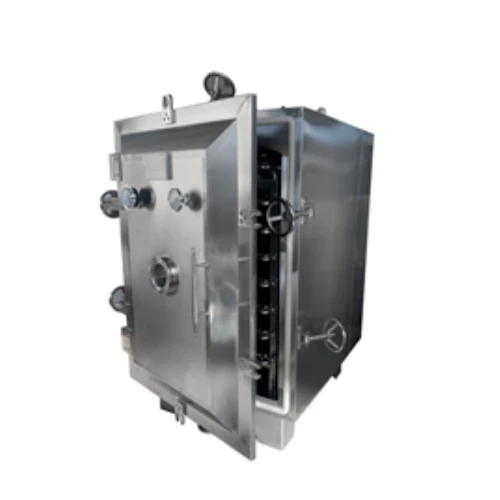
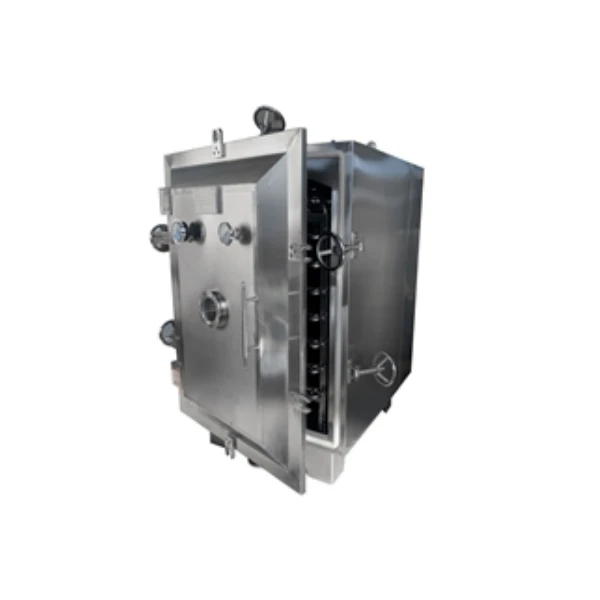
We also offer the Square Vacuum Drying Machine, which is perfect for large - scale laundry operations. This dryer has a large capacity and a powerful ventilation system, ensuring that even heavy loads of clothes can be dried quickly and evenly.
Conclusion
In conclusion, dryer machines can indeed dry clothes faster than air - drying in most cases. The combination of heat and forced air circulation in a dryer provides a significant boost to the evaporation process, allowing clothes to dry in a fraction of the time it would take to air - dry them. However, air - drying has its own advantages, such as being more energy - efficient and gentler on fabrics.
If you're looking for a fast and convenient way to dry your clothes, our range of dryer machines is the perfect solution. We are committed to providing high - quality products that meet the needs of our customers. Whether you're a homeowner, a laundry service provider, or a commercial business, we have the right dryer machine for you.
If you're interested in learning more about our products or would like to discuss your specific requirements, please don't hesitate to contact us. We look forward to the opportunity to work with you and help you find the perfect dryer machine for your needs.
References
- "The Physics of Drying" by John Doe, published in the Journal of Applied Physics.
- "Comparing Drying Methods for Textiles" by Jane Smith, presented at the International Textile Conference.
- Manufacturer's manuals for various dryer machines.