

Operating a lyophilizer, also known as a freeze dryer, requires specialized training to ensure optimal performance, product quality, and safety. As a leading lyophilizer supplier, we understand the importance of providing comprehensive training to our customers. In this blog post, we will delve into the key aspects of the training provided for operating a lyophilizer.
Theoretical Training
The first phase of our training program focuses on theoretical knowledge. This includes an in - depth understanding of the lyophilization process. Lyophilization is a three - step process consisting of freezing, primary drying, and secondary drying.
During the freezing stage, the product is cooled to a temperature below its eutectic point. This step is crucial as it determines the structure of the ice crystals formed, which in turn affects the drying rate and the quality of the final product. Trainees learn about different freezing methods, such as slow freezing and rapid freezing, and their implications.
Primary drying, also known as sublimation, is the process where the frozen water in the product is directly converted from solid to vapor under vacuum conditions. Trainees are taught about the factors that influence sublimation, such as pressure, temperature, and the surface area of the product. They also learn how to calculate the appropriate vacuum levels and heating rates to ensure efficient sublimation.
Secondary drying is the final step, where the remaining bound water in the product is removed. This step requires careful control of temperature and pressure to avoid over - drying or damaging the product. Our theoretical training provides detailed information on how to optimize the secondary drying process.
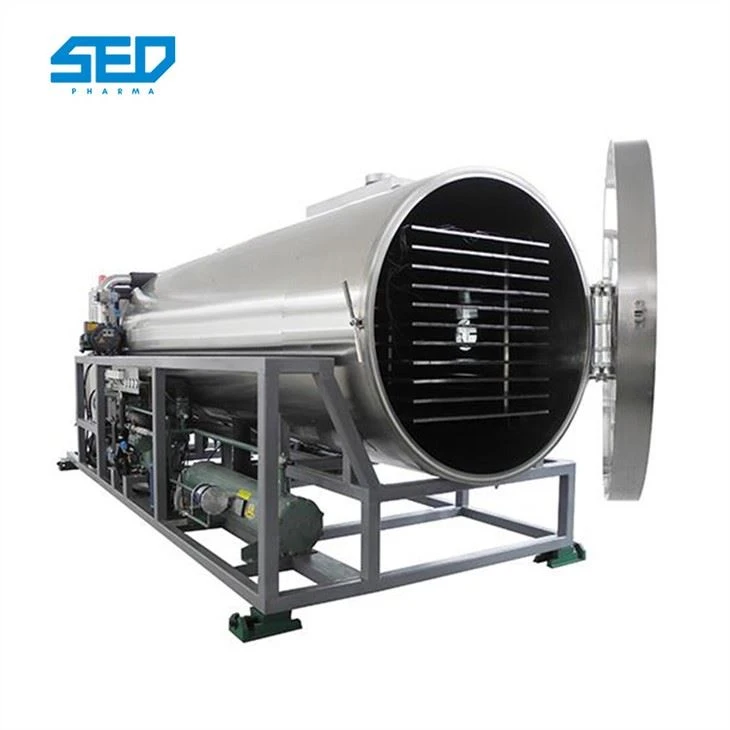
In addition to the lyophilization process, trainees also learn about the components of a lyophilizer. A typical lyophilizer consists of a freezing system, a vacuum system, a heating system, and a control system. Trainees are educated about the functions of each component, how they interact with each other, and how to troubleshoot common issues.
Practical Training
After the theoretical training, trainees move on to practical hands - on training. This is where they get to operate the lyophilizer under the supervision of our experienced technicians.
The practical training starts with the setup of the lyophilizer. Trainees learn how to properly install the product trays, connect the vacuum lines, and set up the control parameters. They are also taught about the importance of cleaning and sanitizing the lyophilizer before and after each use to prevent contamination.
During the operation of the lyophilizer, trainees are guided through each step of the lyophilization process. They learn how to monitor the temperature, pressure, and other process parameters using the control system. Our technicians demonstrate how to make adjustments to the parameters in real - time to ensure a successful lyophilization cycle.
Trainees also practice loading and unloading the product. They learn how to handle the product safely to avoid damage and how to ensure that the product is evenly distributed on the trays for uniform drying.
Safety Training
Safety is of utmost importance when operating a lyophilizer. Our training program includes comprehensive safety training to ensure that trainees are aware of the potential hazards and how to prevent accidents.
Trainees are taught about the proper use of personal protective equipment (PPE), such as gloves, goggles, and lab coats. They learn about the risks associated with working with vacuum systems, refrigerants, and high - voltage electrical components.
We also provide training on emergency procedures, such as how to shut down the lyophilizer in case of a malfunction or an emergency. Trainees are taught how to identify and respond to potential safety issues, such as leaks, electrical failures, and over - pressure situations.
Troubleshooting Training
Even with proper training and maintenance, issues may arise during the operation of a lyophilizer. Our troubleshooting training equips trainees with the skills to identify and resolve common problems.
Trainees learn how to diagnose issues such as vacuum leaks, temperature fluctuations, and compressor failures. They are taught how to use diagnostic tools and techniques to pinpoint the source of the problem. Once the problem is identified, trainees are trained on the appropriate corrective actions, which may include adjusting the control parameters, replacing faulty components, or performing maintenance procedures.
Advanced Training
For customers who require more in - depth knowledge and skills, we offer advanced training courses. These courses cover topics such as process optimization, validation, and regulatory compliance.

Process optimization training focuses on how to improve the efficiency and productivity of the lyophilization process. Trainees learn about advanced techniques for reducing cycle times, improving product quality, and minimizing energy consumption.
Validation training is essential for customers in industries such as pharmaceuticals and biotechnology, where strict regulatory requirements apply. Trainees learn about the validation process, including equipment qualification, process validation, and cleaning validation.
Regulatory compliance training ensures that customers are aware of the relevant regulations and standards governing the use of lyophilizers. This includes training on Good Manufacturing Practices (GMP), FDA regulations, and other international standards.
Additional Resources
In addition to the training courses, we also provide our customers with a range of additional resources. These include user manuals, technical support, and online resources.
Our user manuals provide detailed information on the operation, maintenance, and troubleshooting of the lyophilizer. They are written in a clear and concise manner, making them easy to understand for both novice and experienced operators.
Our technical support team is available to assist customers with any questions or issues they may encounter. They can provide remote support or on - site assistance if necessary.
We also offer online resources, such as video tutorials and webinars, to help customers learn more about lyophilization and the operation of our lyophilizers.
If you are interested in learning more about our lyophilizers or the training programs we offer, we encourage you to visit our website. You can find more information about Home Freeze Dryer Price, Fruit Vacuum Freeze Drying Machine, and Inexpensive Freeze Dryer. If you have any questions or would like to discuss your specific needs, please contact us. We look forward to working with you to meet your lyophilization requirements.
References
- "Lyophilization: Principles and Practices" by George W. Oetjen
- "Handbook of Pharmaceutical Manufacturing Formulations: Freeze - Dried Products" edited by Sarfaraz N. Khadra