

Hey there! As a supplier of freezer dryers, I've seen firsthand how crucial it is to understand the ins and outs of these machines. One of the most important factors that can significantly impact the drying process in a freezer dryer is the pressure. In this blog post, I'm going to walk you through how the pressure in a freezer dryer affects the drying process.
Basics of Freezer Drying
Before we dive into the details of pressure, let's quickly go over the basics of freezer drying. Freezer drying, also known as lyophilization, is a process that involves freezing a product and then removing the ice by sublimation. Sublimation is the direct transition of a substance from a solid to a gas without passing through the liquid phase.
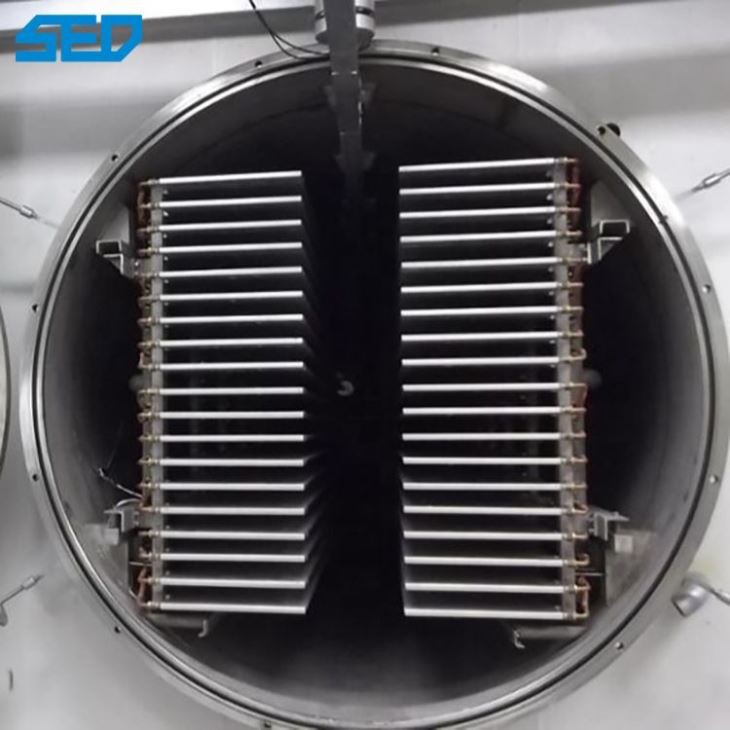
In a freezer dryer, the product is first frozen at a very low temperature. Then, the pressure inside the dryer is reduced, and heat is applied to facilitate sublimation. This process helps to preserve the structure and quality of the product, making it ideal for drying heat - sensitive materials like biologics, pharmaceuticals, and certain foods.
How Pressure Influences Freezer Drying
1. Sublimation Rate
The pressure inside the freezer dryer plays a key role in determining the sublimation rate. Sublimation occurs when the pressure is below the triple - point pressure of water. The triple - point of water is the temperature and pressure at which water can exist in all three phases (solid, liquid, and gas) in equilibrium. For water, the triple - point pressure is about 611.73 Pa.
When the pressure inside the freezer dryer is reduced below this triple - point pressure, ice can directly turn into vapor. Lowering the pressure further increases the driving force for sublimation. As the pressure decreases, the difference between the vapor pressure of the ice and the partial pressure of water vapor in the surrounding environment becomes larger. This larger difference accelerates the sublimation process, allowing the ice to turn into vapor more quickly.
For example, if we have a freezer dryer operating at a relatively high pressure close to the triple - point pressure, the sublimation rate will be slow. But if we reduce the pressure significantly, say to a few Pascals, the sublimation rate will increase substantially. This means that the drying time can be reduced, which is a huge advantage in industrial settings where time is money.
2. End - product Quality
Pressure also has a significant impact on the quality of the end - product. When the pressure is too high during the drying process, incomplete sublimation may occur. This can lead to the presence of residual ice in the product, which can affect its stability and shelf - life.
On the other hand, if the pressure is too low, it can cause over - drying and damage to the product structure. Some heat - sensitive materials may lose their active properties or develop structural changes when subjected to extremely low pressures. For instance, in the case of drying biological samples, very low pressures might denature proteins and other biomolecules. Therefore, finding the right balance in pressure is crucial to ensure the best quality of the end - product.
3. Energy Consumption
The pressure setting in a freezer dryer also affects energy consumption. Lowering the pressure requires more energy to operate the vacuum pump. The vacuum pump is responsible for creating and maintaining the low - pressure environment inside the dryer. As the target pressure gets lower, the pump has to work harder, consuming more electricity.
However, as we mentioned earlier, lower pressure can lead to a faster drying time. So, it's a trade - off. In some cases, a slightly higher pressure with a longer drying time might be more energy - efficient, especially for products that are not time - sensitive.
Real - World Applications and Considerations
Pharmaceuticals
In the pharmaceutical industry, freezer drying is widely used to preserve drugs and vaccines. The pressure in the freezer dryer must be carefully controlled to ensure the stability and efficacy of the drugs. For example, some delicate proteins and antibodies in vaccines can be damaged if the pressure is not optimized. Pharmaceutical companies often invest in high - quality freezer dryers with precise pressure control to meet strict regulatory requirements.
Food Industry
In the food industry, freezer drying is used to produce instant foods and preserve the nutritional value of fruits and vegetables. The pressure affects the texture and flavor of the final product. For instance, if the pressure is not well - regulated during the drying of berries, they may lose their natural shape and flavor. Companies in the food industry need to balance the pressure to achieve the desired taste, texture, and shelf - life of their products.
Related Products for Your Drying Needs
If you're in the market for drying solutions, we also offer other great products. Check out our Microwave Vacuum Drying Machine, which combines the power of microwaves and vacuum technology for efficient drying. Another option is our Vacuum Tray Dryer Machine, ideal for batch - type drying processes. And if you're dealing with heat - sensitive materials, our Vacuum Dryer For Heat Sensitive Material is a perfect fit.
Getting in Touch
Understanding how pressure affects the freezer - drying process is just the first step. If you're looking to invest in a freezer dryer or want to learn more about our drying solutions, we're here to help. Whether you have questions about pressure settings, product compatibility, or anything else related to drying, feel free to reach out. Our team of experts can provide you with detailed information and guide you through the purchasing process.
Don't hesitate to start a conversation with us. We're eager to work with you to find the best drying solution for your specific needs.

References
- "Lyophilization: Introduction and Basic Principles" by George W. Oetjen
- "Vacuum Drying Technology" by various authors in the field of drying technology research