

Hey there! As a supplier of dryer machines, I often get asked about how to adjust the drying time on these machines. It's a crucial aspect that can significantly impact the quality of the dried products and the overall efficiency of your operation. In this blog, I'll walk you through the key factors to consider and the steps to take when adjusting the drying time on a dryer machine.
Understanding the Basics
First off, it's important to know that the drying time isn't a one - size - fits - all value. It depends on several factors, including the type of dryer you're using, the material you're drying, and the desired level of dryness.
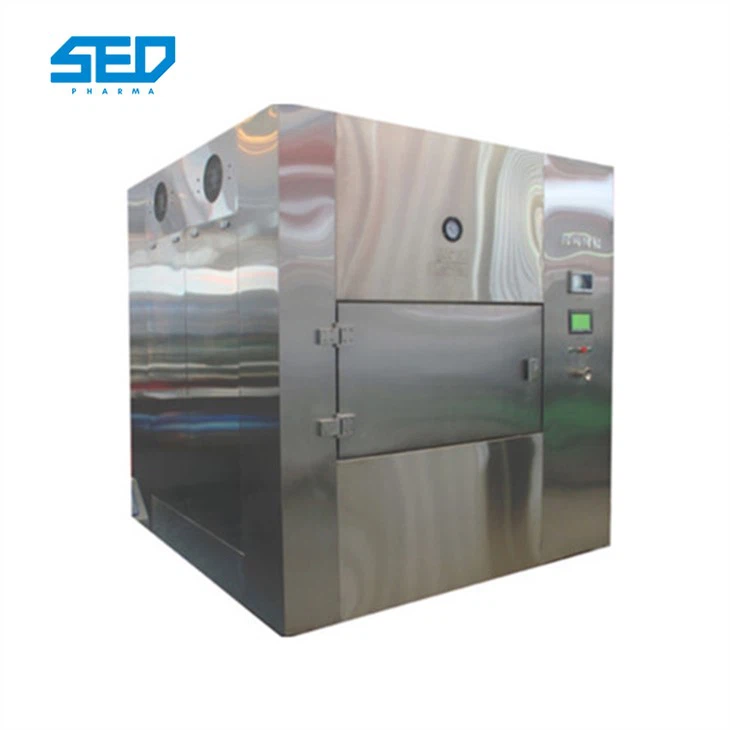
Let's start with the type of dryer. We offer a variety of dryers at our company, such as the Microwave Vacuum Drying Machine, Vacuum Belt Dryer, and Square Vacuum Drying Machine. Each type has its own characteristics and optimal drying times.
Factors Affecting Drying Time
Material Properties
The nature of the material you're drying is a major factor. If it's a thick or dense material, it'll take longer to dry compared to a thin or porous one. For example, drying a block of wet wood will take much more time than drying a stack of thin paper. Also, the moisture content of the material matters. A highly moist material will need a longer drying period.
Dryer Capacity
The size of your dryer and the amount of material you load into it can affect the drying time. Overloading the dryer can lead to longer drying times because the heat and air circulation are restricted. You should always follow the manufacturer's guidelines on the maximum load capacity for your specific dryer model.
Temperature and Airflow
Temperature plays a huge role in drying. Higher temperatures generally speed up the drying process, but you have to be careful not to set it too high as it might damage the material. For instance, if you're drying delicate herbs, a very high temperature can cause them to lose their flavor and nutrients. Airflow is also important. Good airflow helps to carry away the moisture from the material. If the airflow is poor, the drying process will be slower.
How to Adjust the Drying Time
Read the Manual
This might seem obvious, but a lot of people skip this step. Your dryer's manual is a goldmine of information. It'll give you the recommended drying times for different materials and settings. It also provides safety instructions and troubleshooting tips. So, make sure to go through it thoroughly before you start adjusting the drying time.
Do a Test Run
If you're drying a new type of material, it's a good idea to do a test run. Start with a small amount of the material and set the drying time according to the manual or your best estimate. After the drying cycle is complete, check the moisture content of the material. If it's still too wet, you'll need to increase the drying time for the next batch.
Make Incremental Adjustments
Don't make huge jumps in the drying time adjustment. Start with small changes, like adding 5 - 10 minutes to the drying time. This way, you can assess the impact of the change and avoid over - drying the material.
Monitor the Drying Process
Keep an eye on the dryer while it's running. You can use a thermometer or a moisture meter to check the temperature inside the dryer and the moisture content of the material. This will give you real - time information and help you make more accurate adjustments.
Tips for Different Types of Dryers
Microwave Vacuum Drying Machine
The Microwave Vacuum Drying Machine uses microwaves to heat the material under vacuum conditions. The drying time can be adjusted by changing the microwave power and the vacuum level. Higher microwave power will speed up the drying, but it can also cause over - heating if not controlled properly. Lowering the vacuum level can also reduce the drying time, but again, you need to find the right balance.
Vacuum Belt Dryer
For the Vacuum Belt Dryer, the drying time is related to the belt speed and the temperature settings. A slower belt speed will give the material more time to dry, while a higher temperature can also accelerate the process. But be aware that increasing the temperature too much can degrade the quality of the product.
Square Vacuum Drying Machine
In the case of the Square Vacuum Drying Machine, adjusting the drying time involves getting the right combination of vacuum degree, heating temperature, and cycle time. It's a bit more complex as it's often used for more sensitive materials, so it's crucial to follow the specified parameters closely.

Common Mistakes to Avoid
One common mistake is not cleaning the dryer regularly. A dirty dryer can have poor airflow, which will increase the drying time. Make sure to clean the filters and the interior of the dryer according to the manufacturer's recommendations.
Another mistake is ignoring the signs of over - drying or under - drying. If you notice that your materials are constantly over - dried or under - dried despite your efforts to adjust the drying time, there might be a problem with the dryer itself, such as a faulty temperature sensor or a blocked airflow path.
Conclusion
Adjusting the drying time on a dryer machine is a skill that can be mastered with a bit of knowledge and practice. By understanding the factors that affect drying time, following the proper adjustment steps, and being aware of common mistakes, you can ensure that your dryer operates efficiently and produces high - quality dried products.
If you're in the market for a new dryer machine or have any questions about adjusting the drying time on your current one, feel free to reach out to us. We're here to help you make the most out of your drying process.
References
- General dryer operation knowledge from years of industry experience.
- Manufacturer's manuals of our dryer machines.