

Hey there! If you're in the market for a 3D mixer, you've come to the right place. I'm a supplier of 3D mixers, and I've seen firsthand the importance of choosing the right one for your specific needs. In this blog post, I'll share some tips on how to choose a 3D mixer that's perfect for you.
Understand Your Mixing Requirements
First things first, you need to understand what you'll be using the 3D mixer for. Are you mixing powders, liquids, or a combination of both? What's the volume of the materials you'll be mixing? How often will you be using the mixer? These are all important questions to ask yourself before you start shopping.
For example, if you're working with large volumes of powders, you'll need a mixer with a high capacity. On the other hand, if you're mixing small batches of liquids, a smaller mixer might be more suitable. Also, consider the viscosity of the materials you'll be mixing. Some mixers are better suited for high-viscosity materials, while others work better with low-viscosity ones.
Consider the Mixing Principle
There are different mixing principles used in 3D mixers, and each has its own advantages. The most common types include:
- Gravity Mixing: This type of mixer relies on the force of gravity to move the materials around. It's simple and cost-effective, but it might not be as efficient for some applications.
- Mechanical Mixing: Mechanical mixers use blades, paddles, or other mechanical components to stir the materials. They can provide more intense mixing, but they might also cause more wear and tear on the mixer.
- Fluidization Mixing: In fluidization mixing, the materials are suspended in a stream of air or gas. This type of mixing is great for powders and can achieve a high degree of uniformity.
Think about which mixing principle will work best for your materials and the level of mixing you need. For instance, if you need a very thorough and uniform mix, a mechanical or fluidization mixer might be a better choice.
Look at the Build Quality
The build quality of the 3D mixer is crucial. You want a mixer that's durable and can withstand the rigors of regular use. Check the materials used in the construction of the mixer. Stainless steel is a popular choice because it's corrosion-resistant and easy to clean.
Also, pay attention to the quality of the components, such as the motors, bearings, and seals. High-quality components will ensure that the mixer operates smoothly and has a longer lifespan. Look for a mixer that has been well-designed and manufactured to high standards.
Evaluate the Mixing Performance
The performance of the mixer is, of course, a key factor. You want to know how well it can mix your materials. Look for a mixer that can achieve a high degree of homogeneity in a relatively short time.
Some mixers come with features that can enhance the mixing performance, such as adjustable mixing speeds, multiple mixing modes, or variable mixing angles. These features can give you more control over the mixing process and allow you to customize it to your specific needs.
You can also ask the supplier for samples of the mixer's performance, such as before-and-after pictures or videos of the mixing process. This can give you a better idea of how well the mixer works.

Check the Ease of Use and Maintenance
A 3D mixer should be easy to use and maintain. Look for a mixer with a user-friendly control panel that allows you to easily adjust the settings. The mixer should also be easy to clean, as this is important for maintaining the quality of your mixes and preventing cross-contamination.
Some mixers have features like quick-release mechanisms for the mixing containers or easy-to-remove parts, which can make cleaning and maintenance a breeze. Consider how accessible the internal components of the mixer are for maintenance and repair.
Consider the Safety Features
Safety is always a top priority. Make sure the 3D mixer you choose has adequate safety features. This might include things like emergency stop buttons, safety guards, and overload protection.
The mixer should also be designed to prevent the risk of leakage or spillage, especially if you're working with hazardous materials. Look for a mixer that complies with relevant safety standards and regulations.
Look at the Price and Value
Price is, of course, an important consideration. But don't just focus on the upfront cost. Consider the overall value of the mixer. A more expensive mixer might have better features, higher performance, and longer durability, which can save you money in the long run.
Compare the prices of different 3D mixers on the market, but also take into account the features, quality, and performance they offer. Look for a mixer that offers the best balance between price and value for your specific needs.
Check the Supplier's Reputation
As a 3D mixer supplier, I know how important it is to choose a reliable supplier. Look for a supplier with a good reputation in the industry. You can check online reviews, ask for references, or talk to other customers who have purchased from the supplier.
A good supplier will offer excellent customer service, technical support, and after-sales service. They should be able to answer your questions, provide you with detailed information about the mixer, and help you with any issues that might arise.
Explore Related Mixer Options
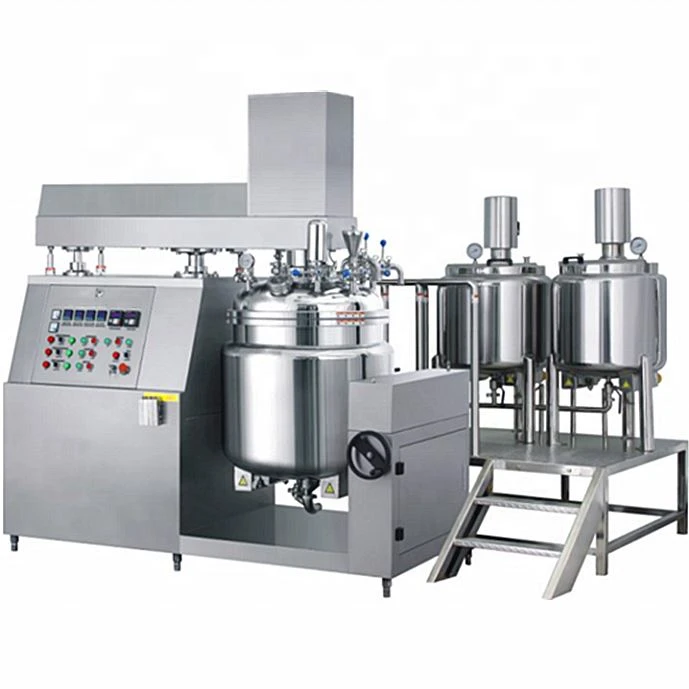
If you're still not sure if a 3D mixer is the right choice for you, you might want to explore some related mixer options. For example, you could check out the Two Dimensional Mixing Machine, which offers a different type of mixing motion. Or, if you're working with emulsions, the Vacuum Emulsifying Mixer Homogenizer could be a great option. And for more complex mixing requirements, the Multi Direction Mixing Machine might be worth considering.
Conclusion
Choosing the right 3D mixer is a big decision, but by considering the factors I've discussed in this post, you can make an informed choice. Remember to understand your mixing requirements, consider the mixing principle, look at the build quality, evaluate the mixing performance, check the ease of use and maintenance, consider the safety features, look at the price and value, and check the supplier's reputation.
If you have any questions or need more information about our 3D mixers, don't hesitate to get in touch. We're here to help you find the perfect mixer for your needs. Whether you're a small business or a large industrial operation, we have a range of 3D mixers that can meet your requirements. Contact us today to start the procurement process and let's discuss how we can help you achieve the best mixing results.
References
- Mixing Technology Handbook, Various Authors
- Industrial Mixing Equipment: Principles and Applications, John Doe