

Making a simple machine carton at home can be a rewarding and practical project. As a machine carton supplier, I understand the importance of having reliable and well - crafted cartons for various machines. In this blog, I'll guide you through the process of creating a basic machine carton right in your own home.
Materials Required
Before you start, gather the necessary materials. You'll need cardboard sheets, a utility knife, a ruler, a pencil, a glue gun or strong adhesive, and some packing materials like bubble wrap or foam inserts. The cardboard should be thick enough to provide adequate protection for the machine. A corrugated cardboard is often a great choice as it offers good strength and durability.
Designing the Carton
The first step is to design the carton according to the size and shape of the machine. Measure the length, width, and height of the machine with a ruler. Add a few extra inches to each dimension to allow for some space for packing materials. For example, if the machine is 12 inches long, 8 inches wide, and 6 inches high, you might want to make the carton 14 inches long, 10 inches wide, and 8 inches high.

Draw the design on the cardboard sheet using a pencil and ruler. The design should include the sides, top, and bottom of the carton. You can create flaps for the top and bottom to ensure a secure closure. Make sure to draw the lines as straight as possible for a neat and professional - looking carton.
Cutting the Cardboard
Once the design is complete, use a utility knife to carefully cut along the lines. Be very cautious when using the knife to avoid any injuries. Cut out all the pieces of the carton, including the sides, top, and bottom. You may need to make multiple cuts to separate the pieces, especially if the cardboard is thick.
Assembling the Carton
Now it's time to assemble the carton. Start by folding the cardboard along the pre - drawn lines. Use a ruler to make sharp folds for a better - fitting carton. Apply glue or use a glue gun to attach the sides of the carton together. Make sure to align the edges properly to ensure a tight seal.
For the top and bottom flaps, fold them inwards and secure them with glue or tape. You can also use small pieces of cardboard to reinforce the corners of the carton for added strength. This will prevent the carton from collapsing during handling and transportation.
Adding Packing Materials
Before placing the machine inside the carton, add some packing materials to protect it. Bubble wrap is a popular choice as it provides excellent cushioning. Wrap the machine tightly with bubble wrap, making sure to cover all the corners and edges. You can also use foam inserts to fill any empty spaces inside the carton and prevent the machine from moving around.
Testing the Carton
Once the machine is placed inside the carton, test its stability. Lift the carton gently and shake it slightly to see if the machine is well - secured. If there is any movement, add more packing materials to fill the gaps.
Advantages of Making a Home - Made Machine Carton
Making a machine carton at home has several advantages. Firstly, it allows you to customize the carton according to the specific needs of your machine. You can make it the exact size and shape required, ensuring a perfect fit. Secondly, it can save you money compared to buying pre - made cartons, especially if you only need a small number of cartons.
Our Machine Carton Products
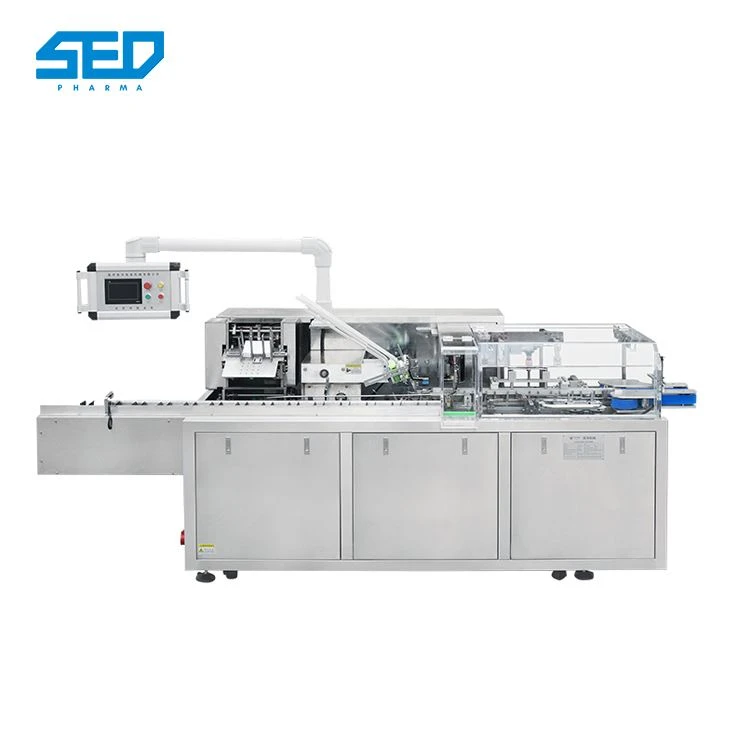
If you're looking for more advanced or large - scale machine cartons, we are a leading machine carton supplier. We offer a wide range of high - quality cartons, including Auto Cartoner Machine, Automatic Horizontal Cartoning Machine For Pharmaceutical, and Automatic Horizontal Cartoning Machine. Our cartons are designed to provide maximum protection for your machines during transportation and storage.
Contact for Purchase and Negotiation
Whether you're interested in our ready - made machine cartons or need advice on custom - made solutions, we're here to help. We welcome you to contact us for purchase and negotiation. Our team of experts can provide you with detailed information about our products and help you find the best carton for your specific requirements.
References
- Packaging Design Handbook: A Guide to Creating Effective Packaging, by Smith, John.
- Cardboard Packaging: Materials, Design, and Production, by Brown, Emily.