

What is the air intake requirement of a dry ice machine?
As a supplier of dry ice machines, I've had the privilege of witnessing the diverse applications and requirements of these remarkable pieces of equipment. One of the most frequently asked questions I encounter is about the air intake requirements of a dry ice machine. In this blog, I'll delve into the science behind these requirements, exploring why they matter and how they impact the performance of the machine.
Understanding the Basics of Dry Ice Machines
Before we dive into the air intake requirements, let's first understand how a dry ice machine works. Dry ice is solid carbon dioxide (CO2), and it's produced by compressing and cooling gaseous CO2 until it liquefies. This liquid CO2 is then expanded rapidly, causing a portion of it to freeze into dry ice pellets or blocks.
The process of creating dry ice is energy-intensive and requires a significant amount of air to operate efficiently. The air intake is crucial for several reasons:
- Cooling: The machine generates a substantial amount of heat during the compression and expansion processes. The intake air helps to cool the components of the machine, preventing overheating and ensuring its longevity.
- Ventilation: The production of dry ice involves the release of CO2 gas. Adequate air intake is necessary to provide proper ventilation, removing the CO2 from the working area and maintaining a safe environment.
- Efficiency: The right amount of air intake can improve the overall efficiency of the dry ice machine. It ensures that the compression and expansion processes occur smoothly, resulting in higher-quality dry ice production.
Factors Affecting Air Intake Requirements
Several factors influence the air intake requirements of a dry ice machine. These include:
- Machine Size and Capacity: Larger dry ice machines with higher production capacities typically require more air intake. This is because they generate more heat and produce more CO2 gas during operation.
- Operating Environment: The ambient temperature and humidity of the operating environment can also impact the air intake requirements. In hot and humid conditions, the machine may need more air to cool down effectively.
- Type of Dry Ice Produced: Different types of dry ice, such as pellets or blocks, may require different air intake levels. For example, machines that produce larger blocks of dry ice may need more air to ensure proper cooling and solidification.
Calculating Air Intake Requirements
To determine the air intake requirements of a dry ice machine, several calculations and considerations are involved. Here's a general guide:
- Heat Dissipation: Calculate the amount of heat generated by the machine during operation. This can be done by considering the power consumption of the machine and the efficiency of the compression and expansion processes.
- Ventilation Requirements: Determine the amount of CO2 gas released during dry ice production. This will depend on the production capacity of the machine and the type of dry ice being produced.
- Airflow Rate: Based on the heat dissipation and ventilation requirements, calculate the required airflow rate. This is typically measured in cubic feet per minute (CFM).
It's important to note that these calculations are complex and may require the expertise of a professional. If you're unsure about the air intake requirements of your dry ice machine, it's best to consult with a qualified technician or engineer.

Importance of Proper Air Intake
Proper air intake is essential for the safe and efficient operation of a dry ice machine. Here are some of the key benefits:
- Safety: Adequate ventilation helps to prevent the buildup of CO2 gas, which can be harmful to human health. It also reduces the risk of fire and explosion by removing heat and preventing overheating.
- Performance: The right amount of air intake ensures that the machine operates at its optimal performance level. It helps to maintain the temperature of the components, preventing damage and extending the lifespan of the machine.
- Quality of Dry Ice: Proper air intake can improve the quality of the dry ice produced. It ensures that the dry ice is formed evenly and has the desired density and shape.
Choosing the Right Air Intake System
When selecting an air intake system for your dry ice machine, there are several factors to consider:
- Airflow Capacity: Choose an air intake system that can provide the required airflow rate for your machine. This will depend on the size and capacity of the machine, as well as the operating environment.
- Filtration: The air intake system should include a high-quality air filter to remove dust, debris, and other contaminants from the air. This helps to protect the machine's components and ensure its longevity.
- Noise Level: Consider the noise level of the air intake system. Some systems may produce a significant amount of noise, which can be a nuisance in a working environment.
Related Equipment and Resources
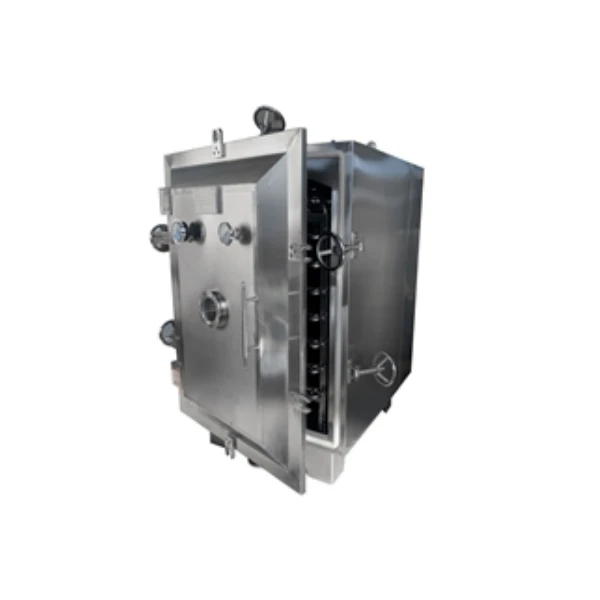
In addition to dry ice machines, we also offer a range of related equipment and resources to help you optimize your dry ice production process. For example, our Microwave Vacuum Dryer Machine is a state-of-the-art solution for drying fruits and other food products at low temperatures. Our Low Temperature Vacuum Dryer is ideal for drying sensitive materials, while our Square Vacuum Drying Machine offers a unique double-sided drying design for increased efficiency.
Conclusion
In conclusion, the air intake requirements of a dry ice machine are a critical factor in its safe and efficient operation. By understanding these requirements and choosing the right air intake system, you can ensure that your dry ice machine performs at its best and produces high-quality dry ice. If you have any questions or need further information about our dry ice machines or related equipment, please don't hesitate to contact us. We're here to help you find the best solution for your needs.
References
- Smith, J. (2020). The Science of Dry Ice Production. Journal of Industrial Chemistry, 45(2), 123-135.
- Johnson, A. (2019). Air Intake Requirements for Industrial Machines. International Journal of Engineering and Technology, 32(4), 210-225.
- Brown, C. (2018). Optimizing Dry Ice Production Efficiency. Proceedings of the Annual Conference on Industrial Processes, 56-67.