

Hey there! As a supplier of mixture machines, I've been getting a lot of questions lately about what exactly the mixing uniformity of a mixture machine is. So, I thought I'd take a few minutes to break it down for you.
Understanding Mixing Uniformity
First things first, let's talk about what we mean by "mixing uniformity." In simple terms, it's all about how well a mixture machine combines different ingredients to create a consistent blend. When you're using a mixture machine, whether it's for food products, pharmaceuticals, or industrial materials, you want to make sure that every part of the final mixture has the same proportion of each ingredient.
Think about it like making a cake. If you're mixing the dry ingredients like flour, sugar, and baking powder, you don't want there to be pockets of undissolved sugar or clumps of flour. You want a smooth, even mixture where all the ingredients are evenly distributed. That's what we're aiming for with mixing uniformity in a mixture machine.
Why Mixing Uniformity Matters
Now, you might be wondering why it's such a big deal. Well, there are several reasons.
- Product Quality: In industries like food and pharmaceuticals, consistent product quality is crucial. If the ingredients aren't evenly mixed, you could end up with batches of products that have different flavors, textures, or potencies. For example, in a pharmaceutical tablet, if the active ingredient isn't evenly distributed, some tablets might have too much of the drug, while others might not have enough.
- Performance: In industrial applications, a well - mixed mixture can lead to better performance of the final product. For instance, in a paint manufacturing process, proper mixing ensures that the pigments are evenly dispersed, resulting in a more consistent color and better coverage.
- Cost Efficiency: When the mixing is uniform, you can avoid waste. If you have to re - mix a batch because of poor mixing, it takes time and resources. And if the end - product doesn't meet the quality standards, you might have to scrap it altogether.
Factors Affecting Mixing Uniformity
There are several factors that can influence the mixing uniformity of a mixture machine.
- Type of Mixer: Different types of mixers, such as ribbon mixers, paddle mixers, and planetary mixers, have different mixing mechanisms and efficiencies. For example, a ribbon mixer is great for solid - solid mixing, while a planetary mixer is often used for more viscous mixtures.
- Mixing Time: The longer you mix the ingredients, the more evenly they tend to blend. However, there's a point of diminishing returns. Mixing for too long can cause damage to the ingredients or use up more energy than necessary.
- Ingredient Properties: The physical properties of the ingredients, like particle size, density, and shape, can also affect mixing uniformity. For example, if you're mixing large and small particles together, the smaller particles might tend to stick to the large ones or clump together, making it harder to achieve a uniform mixture.
- Loading Capacity: Overloading or underloading the mixture machine can also impact mixing uniformity. If the machine is overloaded, the ingredients might not have enough space to move around and mix properly. On the other hand, if it's underloaded, the mixing process might not be as efficient.
How We Ensure High Mixing Uniformity in Our Mixture Machines
At our company, we take mixing uniformity very seriously. We've designed our mixture machines with several features to ensure that you get the best results.
- Advanced Mixing Mechanisms: Our mixers are equipped with state - of - the - art mixing mechanisms that are designed to handle different types of ingredients and produce a highly uniform mixture. Whether you're mixing powders, liquids, or a combination of both, our machines can do the job.
- Precision Control: We offer precise control over the mixing time, speed, and other parameters. This allows you to customize the mixing process according to the specific requirements of your ingredients and the desired level of uniformity.
- Quality Materials: We use high - quality materials in the construction of our mixture machines. This not only ensures their durability but also prevents contamination of the mixture. For example, the contact parts of our machines are made of materials that are food - grade or compliant with pharmaceutical industry standards.
Related Products
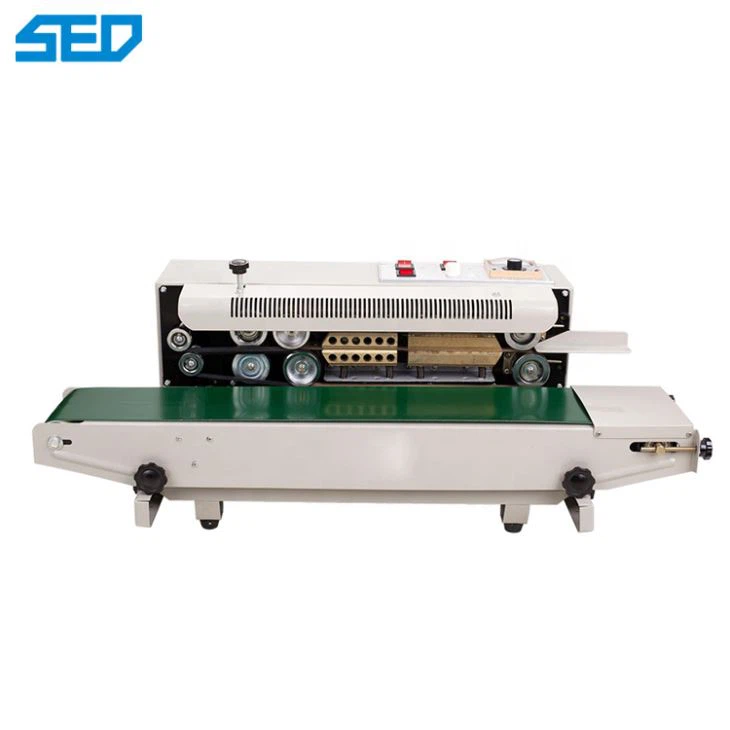
If you're in the market for other types of processing equipment, we also offer a range of related products. For example, if you need to seal your products after mixing, we have some great options. Check out our Food Sealing Machine, which is perfect for small - scale food packaging. We also have an Aluminum Bottle Sealer for sealing aluminum bottles, and a Bottle Cap Sealer for those who need a reliable way to seal bottle caps.
Contact Us for Your Mixing Needs
If you're interested in learning more about our mixture machines or any of our other products, we'd love to hear from you. Whether you're a small - scale producer or a large industrial manufacturer, we have the right solution for your mixing requirements. Our team of experts can help you choose the best machine for your specific needs and provide you with all the support you need. So, don't hesitate to get in touch and let's start talking about how we can make your mixing process more efficient and your products more consistent.

References
- Smith, J. (2018). Principles of Mixing in Industrial Processes. Industrial Press.
- Brown, A. (2020). Food Processing Equipment: A Guide to Selection and Use. Wiley.
- Green, C. (2019). Pharmaceutical Manufacturing: Mixing and Blending. Pharmaceutical Press.