

Frost formation in a freezer dryer can be a real pain in the neck. As a freezer dryer supplier, I've seen firsthand how it can mess things up for users. Frost not only reduces the efficiency of the dryer but can also damage the equipment over time. So, let's dive into some tips on how to prevent frost formation in a freezer dryer.
Understanding Frost Formation in Freezer Dryers
First off, let's talk about why frost forms in the first place. Frost is basically water vapor that turns directly into ice when it comes into contact with a surface that's below the freezing point. In a freezer dryer, this usually happens because of the cold temperatures inside the chamber and the presence of moisture.
Moisture can come from a couple of different sources. One is the product you're drying. If it has a high water content, that water will evaporate during the drying process and could turn to frost on cold surfaces. Another source is the air that gets into the dryer, especially if it's humid. And sometimes, there could be leaks in the system that allow moist air to seep in.
Proper Loading of the Dryer
One of the first things you can do to prevent frost formation is to load the dryer correctly. When you load too much product into the dryer, it can restrict the airflow. Air needs to circulate freely in the dryer for the drying process to work efficiently. If the airflow is blocked, moisture can't escape properly, and it's more likely to form frost.
So, make sure you follow the manufacturer's guidelines for loading capacity. Don't overstuff the dryer. Also, arrange the products in a way that allows air to flow around them. You might need to use trays or racks to keep the products separated and promote better airflow.
Maintaining the Right Temperature and Vacuum Levels
Temperature and vacuum levels are crucial in preventing frost formation. In a freezer dryer, the temperature is typically set very low to freeze the product. However, if the temperature drops too much, it can cause more moisture to freeze on surfaces. On the other hand, if the temperature is too high, the drying process won't be as effective.
You need to find the sweet spot for your specific product. Most freezer dryers come with temperature controls that allow you to set and maintain the right temperature. Make sure to monitor the temperature regularly during the drying process and adjust it as needed.
Vacuum levels are also important. A proper vacuum helps to lower the boiling point of water, which speeds up the drying process. If the vacuum is not strong enough, moisture won't evaporate as quickly, and it can condense and form frost. Use a good quality vacuum pump and check the vacuum levels frequently. You might need to adjust the vacuum pump settings to ensure that the right level is maintained.
Using a Moisture Trap
A moisture trap is a great tool for preventing frost formation in a freezer dryer. It works by capturing the moisture before it reaches the cold surfaces inside the dryer. Think of it as a sponge that soaks up the water vapor.
There are different types of moisture traps available. Some use cold refrigerant to condense the moisture, while others use desiccants to absorb it. Choose a moisture trap that's suitable for your freezer dryer and your specific drying needs. Install it according to the manufacturer's instructions and make sure to empty or regenerate it regularly so that it can keep working effectively.
Regular Maintenance and Inspection
Regular maintenance and inspection of your freezer dryer are essential for preventing frost formation. Over time, dirt, dust, and debris can build up inside the dryer, which can affect its performance. This can lead to poor airflow, uneven temperature distribution, and ultimately, frost formation.
Clean the dryer regularly, including the trays, shelves, and the interior walls. Use a soft brush or a vacuum cleaner to remove any loose dirt. You can also use a mild cleaning solution to wipe down the surfaces, but make sure to rinse it thoroughly and dry the dryer completely before using it again.
Inspect the seals and gaskets on the dryer door and other openings. If they're worn out or damaged, they can allow moist air to enter the dryer, which can cause frost. Replace any damaged seals or gaskets as soon as possible.
Troubleshooting Frost Problems
Even if you follow all the tips above, you might still encounter frost problems from time to time. If you notice an excessive amount of frost in your freezer dryer, here are some things you can do.
First, check the product you're drying. If it has a very high water content, you might need to pre - treat it to reduce the moisture. For example, you could air - dry the product for a short period before putting it in the freezer dryer.
Next, examine the airflow. Make sure all the vents are clear and that there are no obstructions inside the dryer. You can use a small fan or a hair dryer on a low setting to check if the air is moving properly.
If the problem persists, it could be a sign of a more serious issue, such as a malfunctioning vacuum pump or a refrigerant leak. In this case, it's best to contact a professional technician who can diagnose and fix the problem.
The Benefits of Our Freezer Dryers and Related Products
As a freezer dryer supplier, we offer high - quality freezer dryers that are designed to minimize frost formation. Our dryers are equipped with advanced temperature and vacuum control systems that help to maintain the optimal conditions for drying.
We also have a range of related products that can enhance the performance of your freezer dryer. For example, our Vacuum Dryer for Fruit and Vegetable is specifically designed to handle the drying needs of fruits and vegetables. It uses a gentle vacuum drying process that preserves the nutritional value and flavor of the produce while minimizing frost formation.
Our Static Vacuum Dryer is another great option. It's perfect for products that require a more static drying environment. The low - temperature vacuum technology ensures efficient drying without the risk of excessive frost.
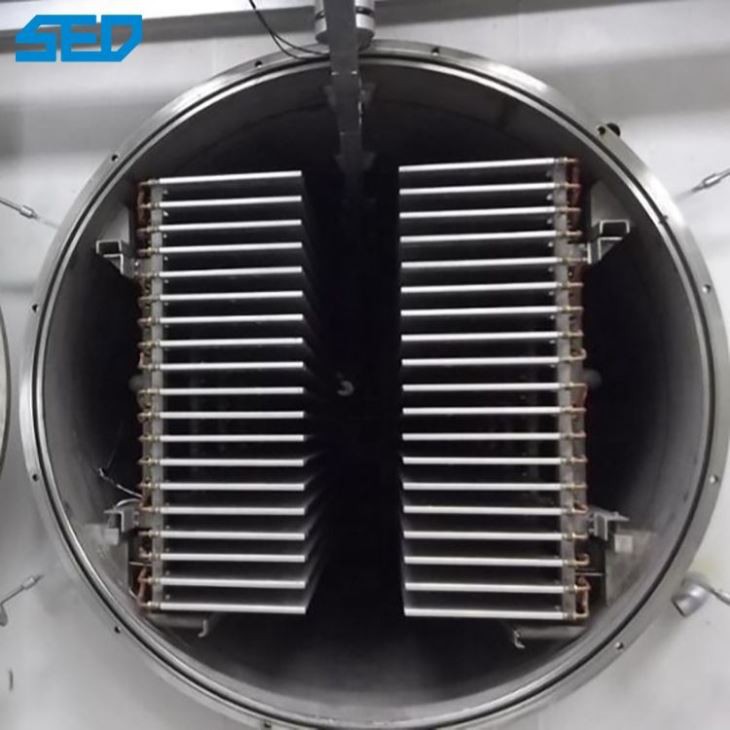

And if you're drying heat - sensitive materials, our Vacuum Dryer For Heat Sensitive Material is the way to go. It uses a freeze - dehydration process that keeps the temperature low, preventing damage to the sensitive materials and reducing frost formation.
Contact Us for Your Freezer Dryer Needs
If you're looking for a reliable freezer dryer or need more information on preventing frost formation, don't hesitate to contact us. We're here to help you find the right solution for your specific drying requirements. Whether you're a small - scale producer or a large - industrial facility, we have the products and expertise to meet your needs. So, reach out and let's start a conversation about how we can help you make your drying process more efficient and frost - free.
References
- Smith, J. (2020). Freezer Drying Technology: Principles and Applications. New York: Industrial Press.
- Brown, A. (2019). Vacuum Drying for the Food Industry. London: Academic Press.
- Green, C. (2021). Preventing Frost in Refrigeration Systems. Refrigeration Journal, 45(2), 67 - 73.