


Three necessary steps to operate a vacuum emulsifier
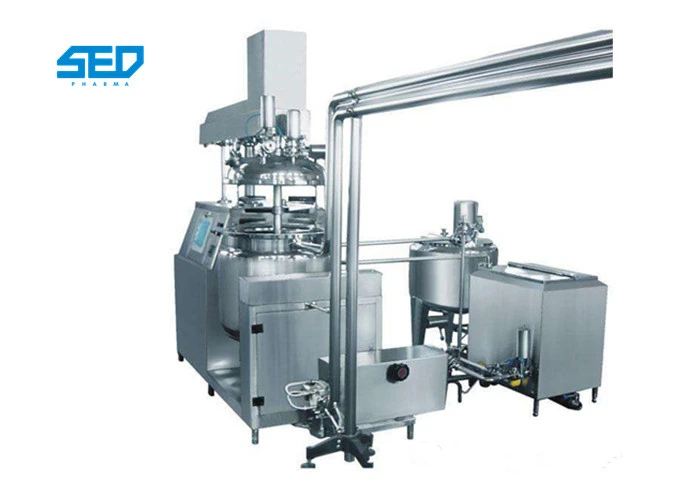
Vacuum emulsifier is a kind of emulsification equipment widely used in cosmetics, food, medicine and chemical industry. During the operation of the emulsifier, attention should be paid to the phenomenon that equipment failure or an accident occurs easily due to negligence, resulting in unnecessary waste and loss.
The editor summarizes the three necessary steps to do before operating the device:
1. Preparation before starting
First of all, check whether there are any hidden dangers in the emulsifier and the surrounding working environment, such as whether the pipeline, equipment appearance, etc. are complete and damaged, whether there is water and oil leakage on the ground, etc.
Then check the production process and equipment operation and use procedures strictly one by one to ensure that the conditions required by each procedure are met, be strict and careless, and then check according to the following methods:
1.Check the condition of lubricating oil and coolant, replace the turbid lubricating oil or coolant, and ensure that the liquid level is within the specified amount;
2. Check whether each switch and valve are in the original position, and manually check whether the action is sensitive or not;
3. Check whether the whole device such as limit, emptying and decompression is normal;
4. Check whether there is any debris in the pot;
5. Check whether the power supply is normal, whether there is a fault display after power-on, etc.
2. Inspection in production
In normal production, it is easy for the operator to ignore the detection of the operating status of the equipment. Therefore, when the technicians of the regular emulsifier manufacturers go to the site for debugging, they will emphasize that the operator should pay attention to the operation of the equipment to avoid improper use, and check the working status at any time, so as not to violate the regulations. Operation results in equipment damage and material loss.
The sequence of startup and feeding, the cleaning method and the selection of cleaning supplies, the feeding method, the environmental treatment during the working process, etc., are prone to problems of equipment damage or complete use due to carelessness, such as accidentally falling foreign objects during use.
Damage to the emulsifier pot (common), damage and material scrapping caused by the operation sequence of the emulsifier not in accordance with the regulations, the material leaking to the ground during manual feeding is not cleaned in time, resulting in slipping and bumping and other personal problems, etc.; it is easy to ignore and It is difficult to investigate after the fact, so users need to strengthen supervision and prevention.
In addition, in the process of work, if there are abnormal phenomena such as abnormal noise, odor, sudden vibration, etc., the operator should check it immediately and handle it properly, and must put an end to the thought of waiting for the production to be completed, so as to avoid serious damage and loss caused by sick work.
3. Reset after production
The work after the production of the equipment is also very important and easily overlooked. Many users clean the equipment as required after production, but the operator may forget the reset steps, which is easy to damage the equipment or leave a hidden danger. After using the equipment, pay special attention to the following points:
1.Evacuate the liquid, gas, etc. in each process pipeline. If automatic or semi-automatic equipment is used for pipeline transportation, attention should also be paid to handling the materials in the pipeline according to regulations;
2. Clean the sundries in the buffer tank and keep the buffer tank clean;
3. Clean up the vacuum pump, check valve, etc. of the vacuum system (if it is a water-ring vacuum pump, pay attention to the need to jog inspection before the next operation, if the embroidery is dead, it must be removed manually before powering on);
4. Each mechanical part is reset to normal state, and the inner pot and jacket keep the vent valve normally open; 5. Turn off the power of each branch and then turn off the main power