

Hey there! As a supplier of mixture machines, I've seen firsthand the differences between simple and complex mixture machines. In this blog, I'll break down these differences to help you understand which type might be the best fit for your business.
1. Design and Structure
Let's start with the design and structure. Simple mixture machines usually have a straightforward design. They're like the basic models you'd find in a small kitchen or a startup workshop. They often have fewer parts and a less intricate build. For example, a simple mixer might just have a single motor connected to a mixing blade. It's easy to assemble, disassemble, and clean.
On the other hand, complex mixture machines are like the high - tech beasts of the industry. They have a more elaborate design with multiple components working together. These machines might have advanced control panels, sensors, and different types of mixing elements. For instance, some complex mixers can have a combination of a high - speed agitator and a slow - speed homogenizer. The structure is more robust to handle the heavy - duty operations and the complexity of the mixing processes.
2. Mixing Capabilities
The mixing capabilities of simple and complex mixture machines vary significantly. Simple mixture machines are great for basic mixing tasks. They can handle tasks like mixing dry ingredients for a small - scale bakery, such as flour, sugar, and baking powder. They're also suitable for mixing liquids in small quantities, like making a simple salad dressing.
However, their mixing power and precision are limited. They might not be able to achieve a perfectly homogeneous mixture, especially when dealing with viscous or difficult - to - mix substances. For example, if you're trying to mix a thick batter with chunks of fruit, a simple mixer might leave some unevenly mixed areas.
Complex mixture machines, on the other hand, are designed for more demanding mixing tasks. They can handle large volumes of materials, whether it's dry, wet, or a combination of both. They can mix highly viscous substances, like adhesives or polymers, with ease. These machines can also achieve a high level of precision in mixing. They can be programmed to control the speed, time, and intensity of the mixing process, ensuring a consistent and uniform mixture every time. For example, in the pharmaceutical industry, complex mixers are used to mix different active ingredients in precise proportions to ensure the quality and effectiveness of the medications.

3. Automation and Control
When it comes to automation and control, simple mixture machines usually have minimal features. They often operate on a basic on - off switch or a simple speed control. You have to manually monitor the mixing process and stop the machine when you think the mixing is done. This requires a certain level of attention and experience to get the desired results.
Complex mixture machines, on the contrary, are highly automated. They come with advanced control systems that allow you to program the mixing parameters. You can set the mixing time, speed, and even the sequence of different mixing stages. Some machines can also adjust the mixing process based on real - time feedback from sensors. For example, if the viscosity of the mixture changes during the mixing process, the machine can automatically adjust the speed to ensure a consistent mix. This automation not only saves time but also reduces the risk of human error.
4. Cost
Cost is an important factor to consider when choosing between a simple and complex mixture machine. Simple mixture machines are generally more affordable. They have a lower upfront cost, which makes them a great option for small businesses or those on a tight budget. They also have lower maintenance costs because they have fewer parts that can break down.
Complex mixture machines, however, come with a higher price tag. The advanced technology, sophisticated design, and high - end features all contribute to the increased cost. Additionally, the maintenance and repair costs of these machines are also higher. They may require specialized technicians to perform maintenance and repairs, which can add to the overall cost of ownership. But if you have a large - scale operation or need to perform complex mixing tasks, the investment in a complex mixture machine can pay off in the long run due to its increased efficiency and productivity.
5. Applications
Simple mixture machines are commonly used in small - scale operations. They're popular in home kitchens, small bakeries, cafes, and small - scale food processing units. They're also used in some DIY projects and small - scale manufacturing of simple products.
Complex mixture machines, on the other hand, are widely used in industries such as food and beverage, pharmaceuticals, chemicals, and cosmetics. In the food and beverage industry, they're used for large - scale production of products like sauces, beverages, and processed foods. In the pharmaceutical industry, they're crucial for the production of medications. In the chemical industry, they're used for mixing different chemicals to create new products. And in the cosmetics industry, they're used to mix ingredients for creams, lotions, and makeup products.
6. Our Related Products
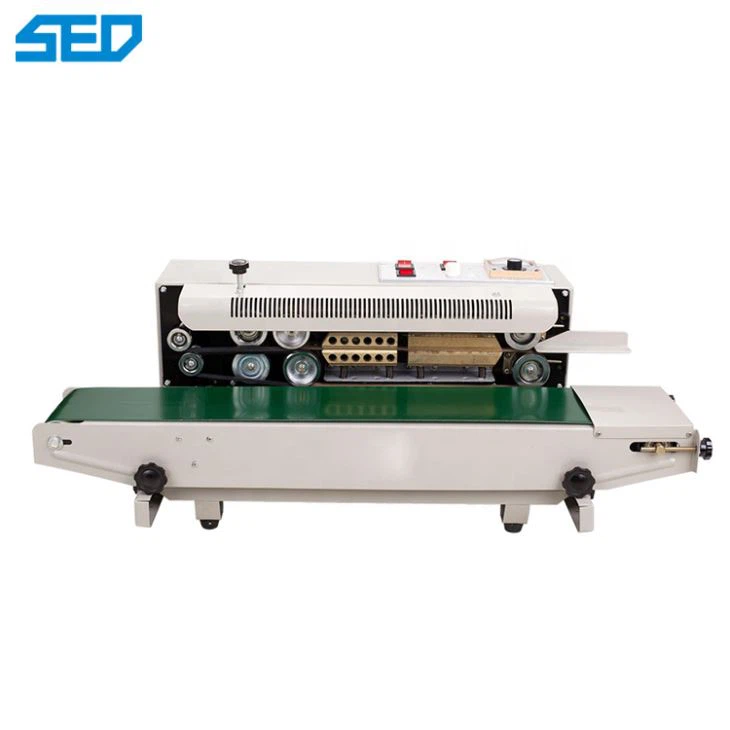
As a mixture machine supplier, we also offer a range of related products that can complement your mixing needs. For example, if you're in the packaging business after mixing your products, we have some great sealing machines. Check out our Heat Sealing Machine For Plastic Bags, which is perfect for sealing plastic bags filled with your mixed products. We also have a Food Sealing Machine for food products, ensuring their freshness and safety. And if you're dealing with bottles, our Bottle Cap Sealer is a great option.
Conclusion
In conclusion, the differences between simple and complex mixture machines are quite significant. Simple mixture machines are cost - effective and suitable for basic, small - scale mixing tasks. They're easy to use and maintain. Complex mixture machines, on the other hand, offer advanced features, high - precision mixing, and automation, making them ideal for large - scale and complex mixing operations.
If you're still not sure which type of mixture machine is right for your business, don't hesitate to reach out to us. We have a team of experts who can help you choose the best machine based on your specific needs. Whether you need a simple mixer for a small startup or a complex machine for a large - scale industrial operation, we've got you covered. Let's have a chat and see how we can work together to improve your mixing processes and boost your productivity.
References
- Mixing Technology Handbook, Various Authors
- Industrial Mixing Equipment: Principles and Applications, XYZ Publishing