

As a supplier of lyophilizers, I've had the chance to work closely with various clients in different industries, from pharmaceuticals to food processing. One question that often comes up is, "What are the factors affecting the lyophilization efficiency in a lyophilizer?" Well, let's dive right in and explore these factors together.
Product Characteristics
First off, the product itself plays a huge role in lyophilization efficiency. The composition of the product can have a significant impact. For example, if a product has a high water content, it'll take longer to freeze - dry. Think about it like this: more water means more ice needs to be sublimated, and that's a time - consuming process.
The viscosity of the product is another important factor. Highly viscous products can form thick layers during freezing, which slows down the sublimation process. It's kind of like trying to dry a thick blanket compared to a thin sheet. The thick blanket will take much longer to dry because the moisture has a harder time getting out.
Particle size also matters. Smaller particles generally have a larger surface area, which allows for faster sublimation. Products with large particles or clumps may need more time to dry completely. For instance, a fine powder will dry more quickly than large chunks of the same material.
Freezing Process
The way the product is frozen is crucial. There are two main methods: slow freezing and rapid freezing. Slow freezing forms large ice crystals, which can be beneficial in some cases as they create larger channels for water vapor to escape during sublimation. However, it can also cause damage to the product's structure, especially in biological samples.
On the other hand, rapid freezing forms small ice crystals. This is great for preserving the product's structure, but it can make the sublimation process slower because the channels for water vapor are smaller. So, choosing the right freezing method depends on the nature of the product.
The freezing rate is also a key factor. A faster freezing rate can lead to more uniform ice crystal formation, which in turn can improve the lyophilization efficiency. But if the freezing rate is too fast, it can cause thermal stress on the product, leading to cracking or other structural damage.
Sublimation Conditions
The temperature and pressure during the sublimation phase are critical. Lower pressures generally allow for faster sublimation because the water vapor can escape more easily. However, there's a limit to how low the pressure can go, as extremely low pressures can cause the product to freeze - dry too quickly, leading to surface cracking or other quality issues.
The temperature also needs to be carefully controlled. A higher temperature can increase the sublimation rate, but it also risks melting the ice or causing chemical reactions in the product. So, finding the right balance between temperature and pressure is essential for efficient lyophilization.
The heat transfer rate during sublimation is another important aspect. Good heat transfer ensures that the product receives enough energy to sublimate the ice. Poor heat transfer can result in uneven drying and longer processing times. This is why the design of the lyophilizer, especially the heating system, is so important.
Lyophilizer Design
The design of the lyophilizer itself has a big impact on efficiency. The size and shape of the drying chamber can affect the distribution of heat and pressure. A well - designed chamber will ensure uniform conditions throughout the drying process, leading to more consistent results.
The condenser is another crucial component. Its job is to capture the water vapor that sublimates from the product. A high - efficiency condenser can remove the water vapor quickly, allowing the sublimation process to continue smoothly. If the condenser is not working properly, the water vapor can build up in the chamber, slowing down the drying process.
The vacuum system is also vital. A reliable vacuum pump is needed to maintain the low pressure required for sublimation. Any leaks in the vacuum system can cause fluctuations in pressure, which can negatively affect the lyophilization efficiency.
Loading and Unloading
How the product is loaded into the lyophilizer can affect the drying efficiency. Overloading the chamber can block the flow of heat and water vapor, leading to uneven drying. It's important to follow the manufacturer's guidelines on the maximum load capacity.
The way the product is arranged in the chamber also matters. Placing the product in a single layer or with enough space between containers allows for better heat transfer and water vapor escape. Stacking containers too closely together can create barriers that slow down the drying process.
Unloading the product at the right time is also important. If the product is unloaded too early, it may not be fully dry, and if it's unloaded too late, it can waste time and energy.
Maintenance and Cleaning
Regular maintenance of the lyophilizer is essential for optimal efficiency. This includes cleaning the condenser, checking the vacuum system for leaks, and calibrating the temperature and pressure sensors. A well - maintained lyophilizer will operate more efficiently and have a longer lifespan.
Cleaning the lyophilizer after each use is also important. Residues from previous batches can affect the performance of the equipment and the quality of the next batch. Using the right cleaning agents and following the proper cleaning procedures will ensure that the lyophilizer is in top condition for the next run.
Conclusion
So, as you can see, there are many factors that affect the lyophilization efficiency in a lyophilizer. From the product characteristics to the design of the lyophilizer, every aspect needs to be carefully considered. At our company, we offer a range of high - quality lyophilizers, including the Freeze Drying Machine, Fruit Vacuum Freeze Drying Machine, and Vacuum Freeze Dryer Machine. Our team of experts can help you choose the right lyophilizer for your specific needs and provide guidance on optimizing the lyophilization process.
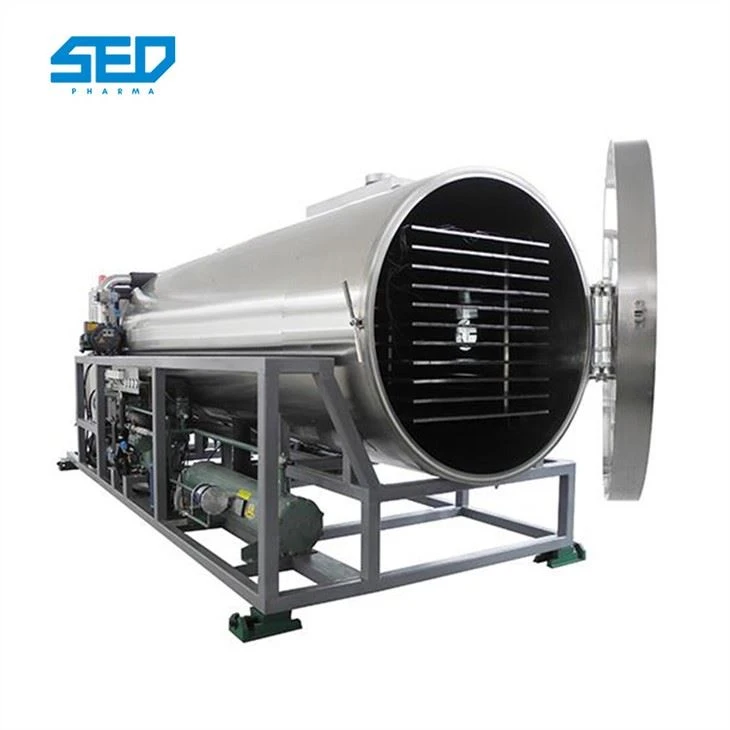

If you're interested in learning more about our lyophilizers or have any questions about lyophilization efficiency, don't hesitate to reach out. We're here to help you improve your production process and achieve the best results. Contact us today to start a discussion about your lyophilization needs.
References
- Pikal, M. J. (1990). Freeze - drying of proteins. Part I. Process design. Pharmaceutical Research, 7(9), 927 - 938.
- Tang, X., & Pikal, M. J. (2004). Design of freeze - drying processes for pharmaceuticals: Practical advice. Pharmaceutical Research, 21(2), 191 - 200.
- Wang, W. (2000). Lyophilization and development of solid protein pharmaceuticals. International Journal of Pharmaceutics, 203(1 - 2), 1 - 60.